
Imagine effortlessly climbing stairs without losing your breath or keeping up with your energetic kids at the park. Building cardio endurance can make these everyday activities easier and more enjoyable.
Whether you’re a beginner looking to boost your fitness or an athlete aiming to enhance your performance, understanding how to build cardio endurance is crucial. In this blog post, you’ll discover practical tips and strategies that can transform your fitness routine.
We’ll break down complex concepts into simple steps, helping you gain the stamina you need to power through your day. You’ll learn how to gradually increase your endurance, find the best exercises for your goals, and maintain motivation along the way. Stay with us, because by the end of this article, you’ll not only understand the importance of cardio endurance but also feel inspired to take action. Your healthier, more energetic life is just a few scrolls away.

Credit: fanaticwrestling.com
Importance Of Cardio Endurance
Cardio endurance is the backbone of a healthy lifestyle, providing you with the stamina to tackle daily tasks and enjoy life to the fullest. It’s not just about running marathons or cycling for hours; it’s about enhancing your heart and lung capacity to keep your body energized and resilient. Improving your cardio endurance can transform your day-to-day activities, making them more manageable and enjoyable.
Why Cardio Endurance Matters
Cardio endurance plays a crucial role in your overall health. It affects your heart, lungs, and circulatory system, ensuring that oxygen is efficiently delivered throughout your body. This boosts your energy levels and helps you stay active longer without feeling fatigued. Imagine climbing stairs without losing your breath or enjoying a brisk walk without feeling worn out. That’s the power of improved cardio endurance.
Benefits Of Enhanced Cardio Endurance
- Increased Energy Levels:With better endurance, your energy levels rise, allowing you to engage in more activities throughout the day.
- Improved Mood:Regular cardio exercise releases endorphins, which can lift your mood and reduce stress.
- Heart Health:Strengthening your heart through cardio workouts helps prevent heart disease and lowers blood pressure.
Everyday Activities Become Easier
With improved cardio endurance, everyday tasks like grocery shopping or chasing after your kids become less taxing. You’ll find that activities you once dreaded are now completed with ease. This can lead to a more active lifestyle, opening doors to hobbies and interests you might have previously overlooked due to fatigue.
Building Cardio Endurance: A Personal Experience
I remember struggling to keep up with my friends during weekend hikes. My heart raced, and I often had to stop for breathers. Incorporating regular cardio workouts into my routine changed that. Now, I enjoy the scenery and camaraderie without feeling left behind. Your journey to improved endurance will be unique, but the rewards are universal.
How Can You Start Improving Your Cardio Endurance?
Consider starting with small, manageable activities like brisk walking or light jogging. You don’t need to dive into intense workouts right away. Gradually increase the duration and intensity as your endurance builds. This approach ensures steady progress without overwhelming your body.
Have you ever found yourself out of breath doing something simple? Improving your cardio endurance can change that. Start today and feel the difference in your daily life.
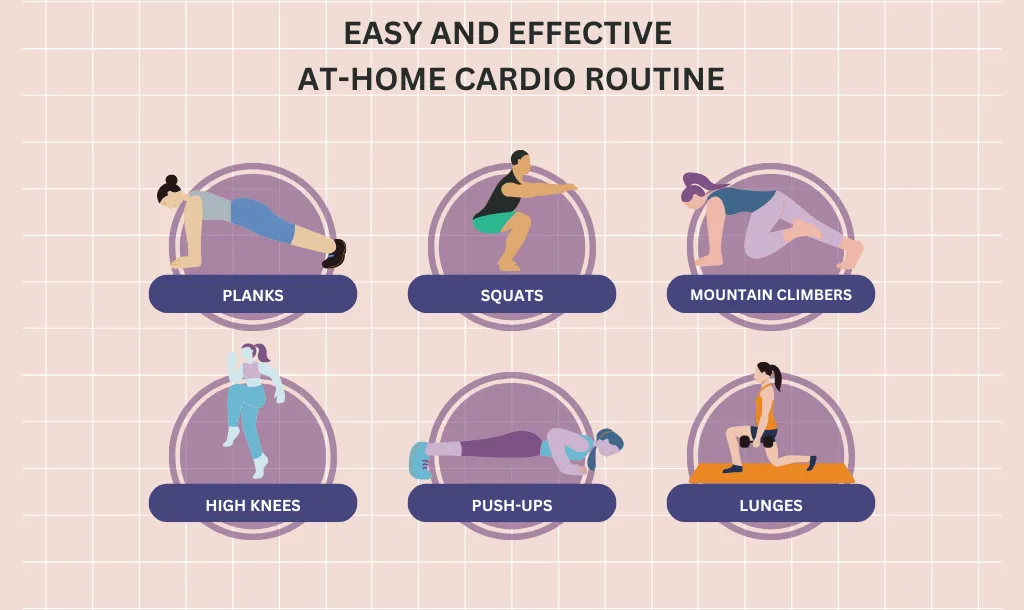
Credit: myyogateacher.com
Setting Realistic Goals
Building cardio endurance involves setting realistic goals. Begin with short, manageable workouts. Gradually increase intensity and duration over time. Listen to your body and adjust as needed. Consistency is key for progress. Celebrate small victories to stay motivated and focused.
Building cardio endurance is a journey. It begins with setting realistic goals. These goals guide your efforts and help you track progress. Establishing achievable targets keeps you motivated. It also prevents burnout and frustration. Let’s explore how to set these goals effectively.Understand Your Current Fitness Level
Assess your current fitness level. This helps in setting realistic goals. It gives you a starting point. You can measure progress over time.Set Specific And Measurable Goals
Your goals should be specific. For example, aim to run 5 miles. Ensure they are measurable. This allows you to track your achievements.Start Small And Gradual
Begin with small steps. Gradual progress is key. Increase intensity or duration slowly. This prevents injury and builds endurance.Use The Smart Framework
SMART stands for Specific, Measurable, Achievable, Relevant, Time-bound. This framework helps in setting clear goals. It ensures your goals are realistic.Stay Flexible And Adjust
Be prepared to adjust your goals. Life changes. So do your fitness needs. Flexibility ensures continued progress.Track Your Progress
Keep a record of your activities. Log your workouts and achievements. This helps in monitoring progress. It also provides motivation.Celebrate Small Wins
Celebrate each milestone. Recognition of small victories boosts morale. It keeps you motivated on your journey.Choosing The Right Activities
Building cardio endurance is all about choosing the right activities that not only challenge your heart but also keep you engaged. The key is to find exercises you enjoy, so you’ll stick with them long enough to see real improvements. Let’s explore some popular choices that can help you boost your cardiovascular fitness.
Running
Running is a classic choice for improving cardio endurance. It requires no special equipment other than a good pair of shoes, and you can do it almost anywhere. Start with short distances and gradually increase your mileage as your stamina builds.
If you’re new to running, try alternating between walking and running. This method, known as interval training, can help ease you into a running routine. Plus, it keeps your workouts interesting and challenging.
Cycling
Cycling is a fantastic low-impact option that’s easy on the joints. Whether you prefer outdoor rides or stationary bikes, cycling offers a fun way to work on your cardio. Varying your speed and intensity can make your cycling sessions more effective.
Consider joining a cycling group if you need motivation. Riding with others can make the experience more enjoyable and hold you accountable. Have you ever tried a spin class? It’s a great indoor option that combines high energy and community spirit.
Swimming
Swimming works your whole body and is excellent for building endurance. The water provides resistance, enhancing the workout without straining your joints. Perfect for all ages, swimming can be both therapeutic and invigorating.
Set small goals, like completing a certain number of laps, to track your progress. Mixing different strokes can help target various muscle groups and keep your routine fresh. Do you have access to a pool? If so, dive in and start exploring the benefits!
Rowing
Rowing is an underrated activity that can significantly enhance your cardio endurance. It engages multiple muscle groups, providing a full-body workout. Rowing machines are widely available in gyms and offer a great alternative when outdoor rowing isn’t feasible.
Focus on your form to maximize the effectiveness of your rowing sessions. Consistent rowing can improve your stamina and boost your energy levels. Have you considered trying a rowing challenge? It might just be the push you need to elevate your fitness journey.
Creating A Consistent Routine
Building cardio endurance requires a consistent routine focused on gradual progress. Begin with manageable exercise sessions and gradually increase intensity. Mix activities like running, cycling, or swimming to keep workouts engaging and effective.
Creating a consistent routine is key to building cardio endurance. Regular exercise helps your body adapt and improve over time. Building endurance requires commitment and patience. It is important to start slowly and gradually increase intensity. This approach prevents injuries and boosts motivation. A consistent routine creates a habit, making it easier to stick with your cardio goals.Set Clear Goals
Define what you want to achieve with your cardio training. Short-term and long-term goals keep you focused. They guide your progress and measure success.Schedule Your Workouts
Plan your workouts in advance. Choose specific days and times. Treat them like important appointments. This reduces the chance of skipping sessions.Choose Activities You Enjoy
Pick cardio exercises that you like. This makes it easier to maintain consistency. Whether it’s running, cycling, or swimming, enjoyment is key.Start With Short Sessions
Begin with short workout sessions. Gradually increase the duration as your endurance improves. This helps your body adapt without feeling overwhelmed.Mix Up Your Routine
Incorporate different cardio activities to keep things interesting. This prevents boredom and works different muscle groups. It also improves overall fitness.Track Your Progress
Keep a record of your workouts. Use a journal or fitness app. Tracking progress shows improvement and keeps you motivated.Rest And Recover
Include rest days in your routine. Rest is crucial for recovery and preventing burnout. It allows muscles to repair and grow stronger.Stay Hydrated And Eat Well
Drink plenty of water before, during, and after workouts. Fuel your body with nutritious foods. Proper hydration and nutrition support endurance building.Incorporating Interval Training
Interval training boosts cardio endurance by alternating intense exercise with short rest periods. This method challenges the heart, improving stamina and overall fitness. Mix running, cycling, or swimming with brief recovery phases for effective results.
Incorporating interval training into your routine can significantly boost your cardio endurance. This approach alternates between short bursts of intense activity and periods of lower-intensity effort or rest. It’s a powerful way to challenge your body, improve heart health, and break through fitness plateaus. But how exactly do you integrate this style of training effectively into your workouts?High-intensity Intervals
High-intensity intervals are the backbone of interval training. These are short periods where you push your limits, running or cycling as fast as you can, for example. Aim for 20 to 60 seconds of maximum effort. During this phase, your heart rate should spike. You should feel breathless, but it should be sustainable for the interval duration. The key is to maintain proper form. This ensures you gain maximum benefits while minimizing the risk of injury.Low-intensity Recovery
After the high-intensity burst, it’s time to slow down. This is the recovery phase where you allow your heart rate to decrease. You can walk, jog slowly, or pedal lightly during this time. The duration of this phase can vary, typically lasting between 1 to 4 minutes. This recovery period is crucial. It helps your body prepare for the next high-intensity round, ensuring sustained energy and effectiveness throughout the workout. Incorporating interval training isn’t just about alternating between fast and slow. It’s about finding a rhythm that challenges you but is also sustainable. Have you tried integrating these intervals into your routine? If not, why not start today and witness the transformative effects on your endurance?Monitoring Progress
Boost cardio endurance by engaging in regular activities like running, swimming, or cycling. Gradually increase intensity and duration. Consistency is key for noticeable improvement in stamina.
Monitoring your progress is essential when building cardio endurance. It allows you to see where you are, set realistic goals, and celebrate those small victories along the way. Let’s dive into some effective ways to track your progress.Tracking Distance
Keeping an eye on the distance you cover can be a real motivator. Consider using apps or fitness trackers to log your miles. These tools can show you how far you’ve come over time, literally. If you’re the old-school type, marking your routes on a map can be equally satisfying. Each line drawn is a testament to your growing stamina.Recording Time
Time is a simple yet powerful metric. Note how long you can maintain a steady pace. As your endurance builds, you’ll notice that what once felt like a marathon becomes just another part of your routine. Some find it helpful to set time goals each week. Reaching these targets can boost your confidence and encourage you to push even further.Evaluating Heart Rate
Your heart rate offers deeper insights. It reflects your body’s adaptation to increased activity. Use a heart rate monitor to track changes during your workouts. A lower heart rate at the same level of activity indicates improved endurance. Have you noticed your heart isn’t pounding as fiercely? That’s progress! By engaging with these methods, you not only track how far you’ve come but also learn more about your body’s resilience. Isn’t it fascinating to witness your own growth?Role Of Nutrition In Endurance
Nutrition plays a crucial role in building cardio endurance. The right foods fuel your body, helping you push through long workouts. Proper nutrition enhances performance and recovery.
Carbohydrate Loading
Carbohydrates are your body’s main energy source during exercise. Consuming enough carbs helps maintain energy levels. Before an endurance event, focus on carbohydrate loading. This involves eating more carbs for a few days. Choose whole grains, fruits, and vegetables. They provide the necessary energy for prolonged activity.
Hydration Strategies
Staying hydrated is essential for endurance. Water regulates body temperature and lubricates joints. Drink plenty of water throughout the day. During exercise, balance water intake with electrolytes. Electrolytes like sodium and potassium prevent dehydration. Sports drinks can help maintain electrolyte levels during long workouts.
Importance Of Rest And Recovery
Building cardio endurance isn’t just about pushing your limits; it’s equally about knowing when to step back. Rest and recovery are crucial components in any fitness regimen. They allow your body to repair and strengthen itself, paving the way for more effective training sessions. Ignoring rest can lead to burnout and injuries, but managing it well can boost your performance significantly.
Active Recovery Days
Active recovery days are not about doing nothing; they involve low-intensity activities that keep you moving without taxing your body. Consider activities like walking, swimming, or yoga. These can help increase blood flow and reduce lactic acid buildup, aiding muscle recovery. You might find that these days keep you refreshed and ready for more intense workouts.
Preventing Overtraining
Overtraining can sneak up on you if you don’t pay attention to your body’s signals. Symptoms like persistent fatigue or decreased performance are red flags. Listen to your body and adjust your training schedule accordingly. Utilize tools like heart rate monitors or fitness apps to track your recovery metrics. Is your body telling you it needs a break? Act on it before it becomes a setback.
Staying Motivated
Building cardio endurance involves consistent exercise routines tailored to increase heart rate. Incorporate activities like running, cycling, or swimming regularly. Gradually increase intensity and duration to challenge your body and improve stamina.
Staying motivated is crucial for building cardio endurance. It can be challenging, but with the right strategies, you can keep going strong. Motivation helps you push through tough days and reach your goals. Here are some effective ways to stay motivated.Setting Milestones
Breaking down your cardio goals into smaller milestones can boost motivation. Each milestone represents a step closer to your ultimate goal. Celebrate these small victories to maintain enthusiasm. Keep a journal to track progress and reward yourself when you achieve each milestone. Simple rewards can be a new workout outfit or a rest day.Joining A Community
Being part of a fitness community can provide strong motivation. You can share experiences, challenges, and successes with others. This support system keeps you accountable and inspired. Online communities or local groups offer great opportunities. Participate in group workouts, join virtual challenges, or engage in forums. Feeling connected with others who share your goals can make a big difference.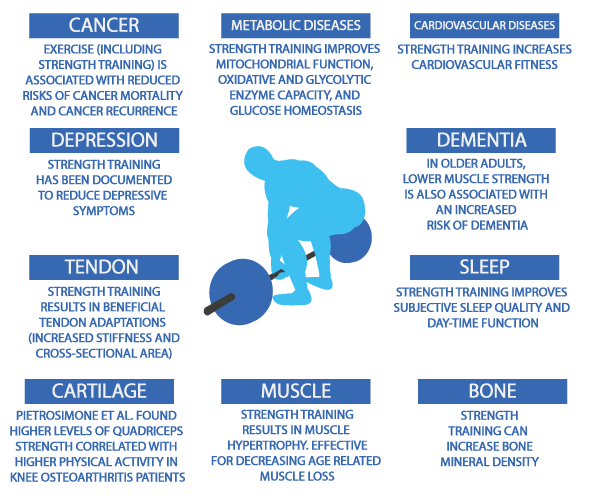
Credit: betterhumans.pub
Frequently Asked Questions
How Can Beginners Start Building Cardio Endurance?
Beginners should start with low-impact exercises like walking or cycling. Gradually increase intensity and duration as you build stamina. Consistency is key, so aim for regular workouts, ideally three to four times a week. Incorporate a mix of activities to keep it engaging and prevent monotony.
What Exercises Improve Cardio Endurance Quickly?
High-intensity interval training (HIIT) and running can quickly boost cardio endurance. These exercises elevate heart rate and improve cardiovascular efficiency. Incorporating activities like swimming or cycling can also enhance endurance. Consistency and gradually increasing intensity are vital for quick improvements in cardio fitness.
How Long Should Cardio Workouts Be?
Aim for at least 150 minutes of moderate cardio weekly, or 75 minutes of vigorous activity. Each session should last 20-60 minutes, depending on intensity and fitness level. Consistency is crucial, so spread workouts across the week for optimal results and improved endurance.
What Role Does Diet Play In Cardio Endurance?
A balanced diet fuels your body for cardio workouts. Include carbohydrates for energy, proteins for muscle repair, and healthy fats. Hydration is crucial, so drink plenty of water before, during, and after exercise. Proper nutrition supports stamina and recovery, enhancing overall cardio performance.
Conclusion
Building cardio endurance takes time and commitment. Start with small goals. Gradually increase your workout intensity and duration. Mix up activities to keep it fun and engaging. Listen to your body. Rest when needed to avoid injuries. Consistent exercise is key to improving stamina.
Stay hydrated and eat a balanced diet. This helps your body perform better. Enjoy the journey towards better health. Celebrate each milestone you achieve. Remember, every step counts. Push through challenges and enjoy your progress. Cardio endurance is within reach with dedication and patience.
Keep moving forward.