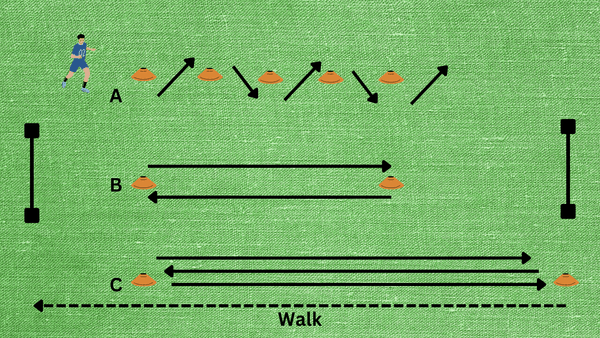
Are you ready to take your soccer game to the next level? Imagine running faster, lasting longer, and staying sharp on the field when others are slowing down.
Cardio endurance is your secret weapon to outpace your opponents and maintain peak performance throughout the match. Whether you’re an aspiring athlete or a weekend warrior, boosting your cardio endurance can make a significant difference. You don’t have to settle for average; you can become the player everyone admires.
Get ready to explore proven strategies that will transform your stamina and keep you in the game until the final whistle. Keep reading to discover how you can revolutionize your endurance and dominate the soccer field.
Importance Of Cardio Endurance In Soccer
Boosting cardio endurance is essential for soccer players to maintain energy throughout the match. Running drills and interval training can significantly enhance stamina. Consistent practice leads to improved performance on the field.
The importance of cardio endurance in soccer cannot be overstated. Soccer is a game of constant movement, requiring players to sprint, jog, and sometimes even walk, all within a few minutes. This dynamic range of motion demands high-level endurance, allowing players to maintain their performance from the first whistle to the last.Enhancing Stamina For Consistent Performance
Have you ever noticed how top soccer players seem to have endless energy? This is not just natural talent; it’s a result of rigorous cardio training. By improving your stamina, you ensure that your body can handle the physical demands of a full match. This means fewer injuries, better focus, and the ability to make crucial plays when your team needs you the most.Boosting Recovery Time Between Plays
In soccer, the game’s rhythm can change in an instant, requiring quick bursts of energy followed by short recovery periods. Cardio endurance helps in reducing the recovery time between these intense plays. Imagine having the energy to chase down an opponent immediately after a sprint. This capability can make a significant difference in your overall game impact.Improving Mental Resilience Through Physical Fitness
Did you know that your physical condition can affect your mental game? High cardio endurance boosts your confidence on the field. When your body is fit, your mind is free to focus on strategy and creativity rather than fatigue. Next time you’re on the field, notice how much clearer your decisions are when you’re not out of breath.Engaging In Effective Cardio Exercises
What exercises should you focus on to build cardio endurance for soccer? Think about activities that mirror the demands of a match. Include interval training, such as sprinting followed by jogging, to mimic game conditions. Long-distance runs help build a solid aerobic base, while circuit training can add variety and work different muscle groups.Tracking Progress And Setting Goals
How do you know if your cardio endurance is improving? Keep track of your performance metrics, like heart rate and recovery time. Set achievable goals to stay motivated. Maybe aim to reduce your 5K time by a minute or increase the number of sprints you can do in a training session. By focusing on these areas, you can significantly enhance your cardio endurance, leading to better performance on the soccer field.Assessing Current Fitness Levels
Understanding your current fitness level helps in boosting cardio endurance for soccer. Begin with simple exercises like jogging to enhance stamina. Gradually increase intensity, incorporating interval training and agility drills for improved performance on the field.
Assessing your current fitness level is crucial for improving cardio endurance in soccer. Knowing where you stand helps in setting realistic goals and tracking progress. Start by evaluating your stamina, speed, and recovery time.Understanding Your Baseline
Measure your current fitness level with simple tests. A timed run or a beep test can provide insights. Record your results to see where you need improvement. This helps tailor your training plan effectively.Tracking Heart Rate
Monitor your heart rate during exercise. A heart rate monitor can be useful. It shows how hard your heart is working. Aim to lower your resting heart rate for better endurance.Evaluating Recovery Time
Notice how quickly you recover after intense activity. Shorter recovery times indicate better fitness. Focus on exercises that improve this aspect. It helps in sustaining energy during matches.Assessing Muscle Strength
Examine your muscle strength and endurance. Strong muscles support longer play. Include strength training in your routine. This builds resilience and boosts overall performance.Analyzing Speed And Agility
Speed and agility are vital for soccer. Test your sprinting speed and quickness in changing directions. Improving these skills enhances your on-field performance.Setting Realistic Goals
Set achievable goals based on your assessment. Break them into short-term and long-term objectives. This keeps you motivated and focused on improvement. Regularly revisit these goals to track your progress.Building A Structured Training Plan
Building a structured training plan is crucial for boosting cardio endurance in soccer. A well-organized approach helps optimize performance and ensures consistent progress. It blends goal setting with balanced intensity and volume.
Setting Realistic Goals
Start with clear, achievable goals. Consider your current fitness level. Aim for gradual improvements in stamina. Set short-term and long-term targets. This keeps motivation high. Adjust goals as you progress. Celebrate small wins to build confidence.
Balancing Intensity And Volume
Find the right mix of intensity and volume. Intensity refers to how hard you train. Volume is the total amount of training. High-intensity workouts boost cardio quickly. But they can lead to fatigue. Balance these with lower intensity sessions.
Create a weekly schedule. Include varied workouts. Mix running, interval training, and cross-training. This variety prevents boredom. It also reduces the risk of injury. Ensure adequate rest and recovery days. This helps maintain energy levels.
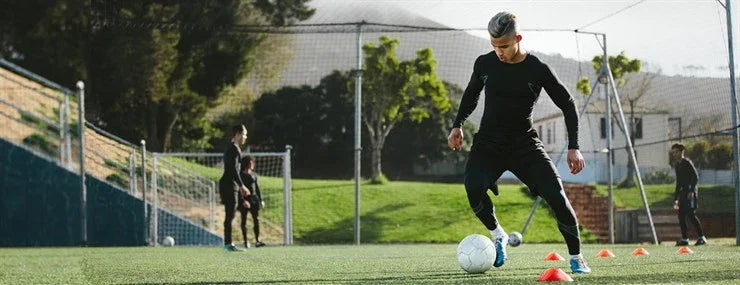
Credit: www.maxinutrition.com
Incorporating Interval Training
Interval training is a powerful tool for boosting your cardio endurance in soccer. By alternating between high-intensity bursts and recovery phases, you can mimic the unpredictable rhythm of a soccer match. This method not only enhances your stamina but also improves your ability to perform explosive movements like sprints and rapid changes in direction. Let’s dive into how high-intensity intervals and recovery phases can be integrated into your training routine.
High-intensity Intervals
High-intensity intervals are all about pushing your limits. In soccer, these bursts of energy are crucial when chasing down a ball or breaking through the defense. The idea is to exert maximum effort for short periods. Imagine sprinting at full pace for 30 seconds, giving it your all as if you’re racing towards a goal. Such intensity not only increases your heart rate but also trains your muscles to handle high-pressure moments.
Consider incorporating different exercises like sprinting, burpees, or hill runs. Each session should leave you breathless, but also exhilarated. It’s important to challenge your body while keeping the workouts varied. This will prevent monotony and keep you engaged. Ask yourself, are you ready to elevate your game with these dynamic intervals?
Recovery Phases
Recovery phases are equally vital in interval training. These periods allow your body to regroup and prepare for the next high-intensity burst. Think of them as strategic pauses that recharge your system. After an intense sprint, slow down to a light jog or brisk walk for a minute. This active recovery helps manage fatigue and sustain energy levels throughout the session.
During recovery, focus on breathing deeply and calming your heart rate. This practice not only aids physical recovery but also enhances mental resilience. Acknowledge how these moments of rest are not just breaks; they’re building blocks for endurance. Are you incorporating enough recovery time to maximize your performance?
Interval training, with its blend of high-intensity efforts and recovery phases, can transform your cardio endurance for soccer. Engage with these techniques, and you’ll find yourself more prepared for the demands of the field, capable of maintaining peak performance even in the final minutes of the game.
Endurance Drills For Soccer
Improving cardio endurance is key for soccer players. It helps maintain energy and speed throughout the game. Endurance drills are crucial in training. They build stamina and enhance overall performance.
Small-sided Games
Small-sided games focus on intense, short bursts of activity. They mimic real match scenarios with fewer players. This increases engagement and effort. Players work harder, improving endurance naturally.
These games require quick thinking and fast movement. They also encourage teamwork and strategy. Playing in smaller groups ensures everyone stays active. It’s a fun way to build stamina while honing skills.
Continuous Running Drills
Continuous running drills are simple but effective. These involve running at a steady pace for a set time. They boost cardiovascular health and endurance. Start with short distances, then gradually increase.
Consistency is vital. Regular practice leads to noticeable improvements. Mix running with other activities for variety. This keeps training sessions engaging and challenging.
Drills can be done anywhere, requiring minimal equipment. They’re ideal for solo practice or team training. Incorporating running drills into routine aids in lasting endurance development.
Strength Training’s Role In Endurance
Strength training boosts endurance by enhancing muscle efficiency. Soccer players can increase cardio endurance through exercises like squats and lunges. These workouts improve stamina, helping athletes maintain high energy levels during long matches.
Strength training is essential for boosting cardio endurance in soccer. It strengthens muscles, enhancing stamina on the field. Strong muscles support longer play without fatigue. A balanced routine includes core stability and lower body strengthening.Core Stability Exercises
Core stability is crucial for soccer players. It supports balance and agility. Strong cores help maintain posture during intense matches. Effective exercises include planks and Russian twists. These exercises target abdominal muscles. Consistent core workouts improve endurance and performance.Lower Body Strengthening
Lower body strength is vital for soccer endurance. It powers sprints and quick direction changes. Squats and lunges are excellent exercises. They build strong legs and improve endurance. Strong lower bodies reduce injury risk and enhance stamina on the field. Integrating these exercises into training boosts game endurance.Nutrition And Hydration Strategies
Boosting cardio endurance for soccer involves strategic nutrition and hydration. Balanced meals provide essential energy, while staying hydrated maintains stamina. Consuming electrolytes aids recovery and performance.
Enhancing cardio endurance for soccer isn’t just about drills and workouts. Nutrition and hydration play a crucial role in keeping you energized and focused on the field. Proper fueling strategies can significantly impact your stamina and overall performance. Are you ready to learn how to power your body effectively?Pre-game Meals
Selecting the right pre-game meal can be a game-changer. Aim for a balanced mix of carbohydrates, proteins, and healthy fats. A meal like grilled chicken with quinoa and steamed veggies provides sustained energy. Timing is also key. Eating 2-3 hours before the game ensures proper digestion. Avoid heavy, greasy foods that could slow you down. Instead, focus on easily digestible options that keep you light on your feet.Hydration Tips
Staying hydrated is vital for maintaining endurance during intense play. Start hydrating well before the match begins. Drinking water consistently throughout the day ensures your body is ready to perform. During the game, sip water or a sports drink every 15-20 minutes. This helps replenish fluids lost through sweat. Remember, even mild dehydration can lead to fatigue and decreased performance. Consider your sweat rate to adjust your hydration needs. Some players may require more fluids due to higher sweat losses. Are you drinking enough to keep up with your body’s demands? By focusing on smart nutrition and hydration strategies, you’re setting yourself up for success on the soccer field.
Credit: opengoaaalusa.com
Recovery And Rest Techniques
Enhance cardio endurance for soccer by incorporating recovery techniques like active rest and proper hydration. Balance training with rest days to prevent fatigue and support muscle repair, ensuring optimal performance on the field.
Recovery and rest are vital for boosting cardio endurance in soccer. Proper rest allows muscles to repair and grow stronger. It also prevents injuries and enhances performance. Players should focus on effective recovery strategies. This ensures consistent progress and peak performance on the field.Active Recovery
Active recovery involves light exercises. These exercises help the body recover faster. Activities like walking or cycling at a gentle pace work well. They increase blood flow to muscles without adding stress. Aim for activities that are low-impact. Keep sessions short, around 20-30 minutes. This keeps the body engaged without overexerting it.Sleep Optimization
Sleep plays a crucial role in recovery. It helps the body repair and rejuvenate. Aim for 7-9 hours of quality sleep each night. Create a relaxing bedtime routine. This signals your body it’s time to wind down. Keep your sleep environment cool and dark. Limit screen time before bed. This improves sleep quality and duration. A well-rested body performs better and reduces injury risks.Tracking Progress And Adjustments
Tracking progress in your cardio endurance journey is essential. It helps you understand what’s working and what needs adjustment. Regular monitoring ensures you stay on track and meet your soccer goals. Below are ways to efficiently track and adjust your training plan.
Monitoring Heart Rate
Heart rate is a key indicator of cardio endurance. Use a heart rate monitor during practice. Track your resting heart rate and your rate during intense workouts. A lower resting heart rate indicates improved endurance. Keep a log of your heart rate data. This helps you see trends and patterns over time.
Adapting The Plan
Adjust your training based on your progress. Increase intensity if your heart rate shows improvement. Add more sprints or longer runs to your routine. If progress stalls, switch up exercises. Include different cardio activities to challenge your body. Always listen to your body and rest when needed.

Credit: www.tiktok.com
Frequently Asked Questions
What Are The Best Exercises To Boost Cardio Endurance?
To boost cardio endurance for soccer, focus on interval training, long-distance running, and circuit workouts. Incorporate exercises like sprints, cycling, and swimming into your routine. These exercises enhance stamina, improve heart health, and build endurance. Consistency and variety in workouts are key to achieving optimal results.
How Often Should I Train For Cardio Endurance?
Train for cardio endurance at least 3-5 times a week. Regular sessions help build stamina and improve overall fitness. Balance intensity and duration to avoid overtraining. Listen to your body and adjust the frequency as needed. Rest days are crucial for recovery and muscle growth.
Can Diet Improve My Cardio Endurance?
Yes, diet plays a vital role in enhancing cardio endurance. Consume a balanced diet rich in carbohydrates, proteins, and healthy fats. Hydration is equally important for optimal performance. Foods like whole grains, lean proteins, and fruits provide essential nutrients. Proper nutrition fuels your workouts and aids recovery.
How Long Does It Take To See Improvements?
Noticeable improvements in cardio endurance can take 4-6 weeks with consistent training. Progress depends on individual fitness levels and exercise intensity. Stay motivated and patient. Track your performance to measure progress and set realistic goals. Gradual improvements lead to sustained endurance and better soccer performance.
Conclusion
Building cardio endurance for soccer is vital. It boosts your performance and stamina. Regular training helps you stay strong throughout the game. Mix different exercises for the best results. Running, cycling, and swimming enhance endurance. Focus on consistency and gradual progress.
Listen to your body and rest when needed. Stay hydrated and eat well to fuel your workouts. Practice regularly and see improvement over time. Remember, patience is key. Keep pushing yourself and enjoy playing soccer with more energy.