Are you looking to boost your cardiovascular endurance but unsure where to start? Whether you’re aiming to run your first 5K, climb a mountain, or simply keep up with your kids, improving your heart and lung fitness is key.
But with so much information out there, finding the best approach can feel overwhelming. What if there was a simple, effective way to enhance your stamina without the guesswork? Imagine mastering the art of endurance with techniques that actually work, tailored just for you.
Stick around, and you’ll discover proven methods that will transform your workouts and elevate your energy levels. Are you ready to unlock the secrets to a stronger, more resilient you? Let’s dive in!
Importance Of Cardiovascular Endurance
Cardiovascular endurance is vital for overall health. It improves heart function. Boosts energy levels. Enhances mood and mental clarity. Helps maintain a healthy weight. It reduces the risk of chronic diseases. Let’s explore why it’s important.
What Is Cardiovascular Endurance?
Cardiovascular endurance means your heart and lungs work efficiently. They supply oxygen to muscles during exercise. Better endurance means better performance.
Health Benefits Of Cardiovascular Endurance
Regular cardio strengthens the heart. It lowers blood pressure. It reduces bad cholesterol. It increases good cholesterol. It helps in managing stress. It improves sleep quality.
Impact On Everyday Activities
Good endurance makes daily tasks easier. Walking, climbing stairs, and lifting become less tiring. You feel more energetic throughout the day.
How Cardiovascular Endurance Improves Mental Health
Exercise releases endorphins. They make you feel happy. Reduces anxiety and depression. Boosts self-esteem and confidence.
Role In Weight Management
Cardio burns calories. Helps in losing weight. Maintains a healthy body weight. Supports muscle tone and strength.
Reducing Risk Of Chronic Diseases
Regular cardio reduces the risk of heart disease. Lowers the chance of type 2 diabetes. Decreases the risk of stroke. Supports a strong immune system.
Enhancing Athletic Performance
Better endurance improves sports performance. Increases stamina for longer activities. Helps in quick recovery from exercise.
Fundamental Elements Of Cardiovascular Training
Building cardiovascular endurance requires understanding its fundamental elements. These elements form the foundation for effective training. Each component plays a crucial role in boosting your stamina and heart health. Let’s delve into the key aspects that make cardiovascular training successful.
Intensity
Intensity determines how hard you work during exercise. It affects heart rate and energy use. Aim for a moderate to high intensity to improve endurance. Use the talk test to measure intensity. If you can speak but not sing, the intensity is right.
Frequency
Frequency refers to how often you exercise each week. Regular workouts build endurance over time. Aim for at least three to five sessions weekly. Consistency helps in maintaining and improving cardiovascular health.
Duration
The length of each workout is the duration. Longer sessions increase stamina. Start with 20-30 minutes. Gradually extend to 60 minutes as you gain endurance. Longer workouts help improve your heart’s efficiency.
Type
The type of activity you choose matters. Include activities that elevate your heart rate. Options include running, cycling, or swimming. Choose activities you enjoy for long-term commitment. Variety keeps workouts interesting and effective.
Progression
Progression involves gradually increasing your workout challenge. Increase intensity, frequency, or duration over time. Progression prevents plateaus and promotes continuous improvement. Listen to your body to avoid overtraining.
Recovery
Recovery is essential for cardiovascular training success. Rest days help your body repair and grow stronger. Include active recovery activities like walking or yoga. Balance exercise with rest for optimal endurance gains.
High-intensity Interval Training (hiit)
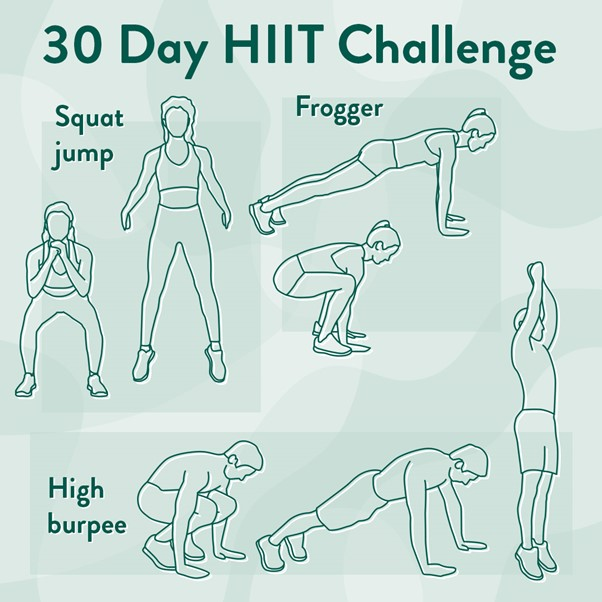
High-Intensity Interval Training (HIIT) is an effective way to build cardiovascular endurance. Short bursts of intense activity followed by rest periods enhance heart health. This approach improves stamina and burns calories efficiently.
High-Intensity Interval Training (HIIT) is a powerful way to boost your cardiovascular endurance. It’s a workout strategy that alternates between short bursts of intense activity and periods of rest or lower-intensity activity. This method is highly effective and time-efficient, making it perfect for those with busy schedules. Imagine pushing yourself to the max for a short duration, then catching your breath before doing it all over again. This pattern not only keeps your heart rate up but also maximizes calorie burn.Benefits Of Hiit
HIIT is not just about saving time. It improves your cardiovascular health significantly. Studies show that it can increase your heart’s efficiency and reduce blood pressure. You also burn calories long after your workout is finished, known as the afterburn effect. This is great for weight management and overall fitness. Plus, the varied intensity keeps workouts exciting and challenging, preventing workout boredom.Sample Hiit Workouts
Getting started with HIIT is simple. Here are a few sample workouts to try:- 20-Minute HIIT:Perform 30 seconds of high-intensity exercise like sprinting or jumping jacks, followed by 30 seconds of rest. Repeat for 20 minutes.
- Tabata Style:Engage in 20 seconds of maximum effort exercises such as burpees, followed by 10 seconds of rest, repeated for 4 minutes. Take a short break, then repeat the cycle three more times.
- Pyramid HIIT:Start with 15 seconds of intense activity, rest for 15 seconds, then increase to 30 seconds of activity, rest for 30 seconds, and so on. Build up to 60 seconds and then reverse the pyramid.
Credit: myyogateacher.com
Steady-state Cardio
Steady-state cardio involves exercising at a constant pace for an extended period. This method efficiently builds cardiovascular endurance by gradually increasing stamina and heart strength. Regular practice enhances lung capacity and overall fitness, making it ideal for long-term health benefits.
Steady-State Cardio involves maintaining a consistent, moderate pace over a period of time. This form of exercise is excellent for improving cardiovascular endurance. It allows your body to adapt and build stamina gradually. Unlike high-intensity workouts, steady-state cardio focuses on sustained effort. This helps improve heart health and lung capacity. It’s less stressful on the joints, making it suitable for many fitness levels.Long-duration Exercises
Long-duration exercises are key to steady-state cardio. They keep your heart rate steady for longer periods. This boosts endurance effectively. Walking briskly for 30 minutes is a great start. Cycling at a moderate pace also works well. Swimming continuously builds cardiovascular strength too. Aim for sessions of at least 30 minutes. This ensures your body gets the full benefit of the workout.Examples Of Steady-state Activities
There are many activities perfect for steady-state cardio. Jogging at a comfortable pace is popular. It’s easy to maintain and improves heart health. Rowing is another great option. It combines cardio with muscle strength. Elliptical workouts offer a low-impact choice. They are gentle on the knees and improve stamina. Hiking on flat terrains is effective and enjoyable. It combines nature with fitness for a refreshing experience.Incorporating Strength Training
Cardiovascular endurance is often associated with activities like running, cycling, and swimming. But did you know that strength training can play a pivotal role in enhancing your cardio workouts? Combining strength training with your cardio routine not only boosts your heart health but also helps in building muscular strength, improving overall fitness. You might wonder how lifting weights can pump up your cardio game. Let’s dive into the specifics and discover how incorporating strength training can transform your endurance training.
Role Of Muscle Building
Building muscle isn’t just about gaining bulk; it’s about increasing your body’s efficiency. Strong muscles enable you to perform cardio exercises more effectively, as they enhance your ability to sustain longer periods of activity without fatigue. Imagine running a marathon with tired legs versus strong, conditioned ones. Which scenario sounds more feasible to you?
Additionally, muscle building contributes to a faster metabolism, burning more calories even when at rest. This metabolic boost aids in maintaining a healthy weight, which is crucial for cardiovascular health. As you build muscle, your heart works more efficiently, pumping blood throughout your body with greater ease.
Strength Training Techniques
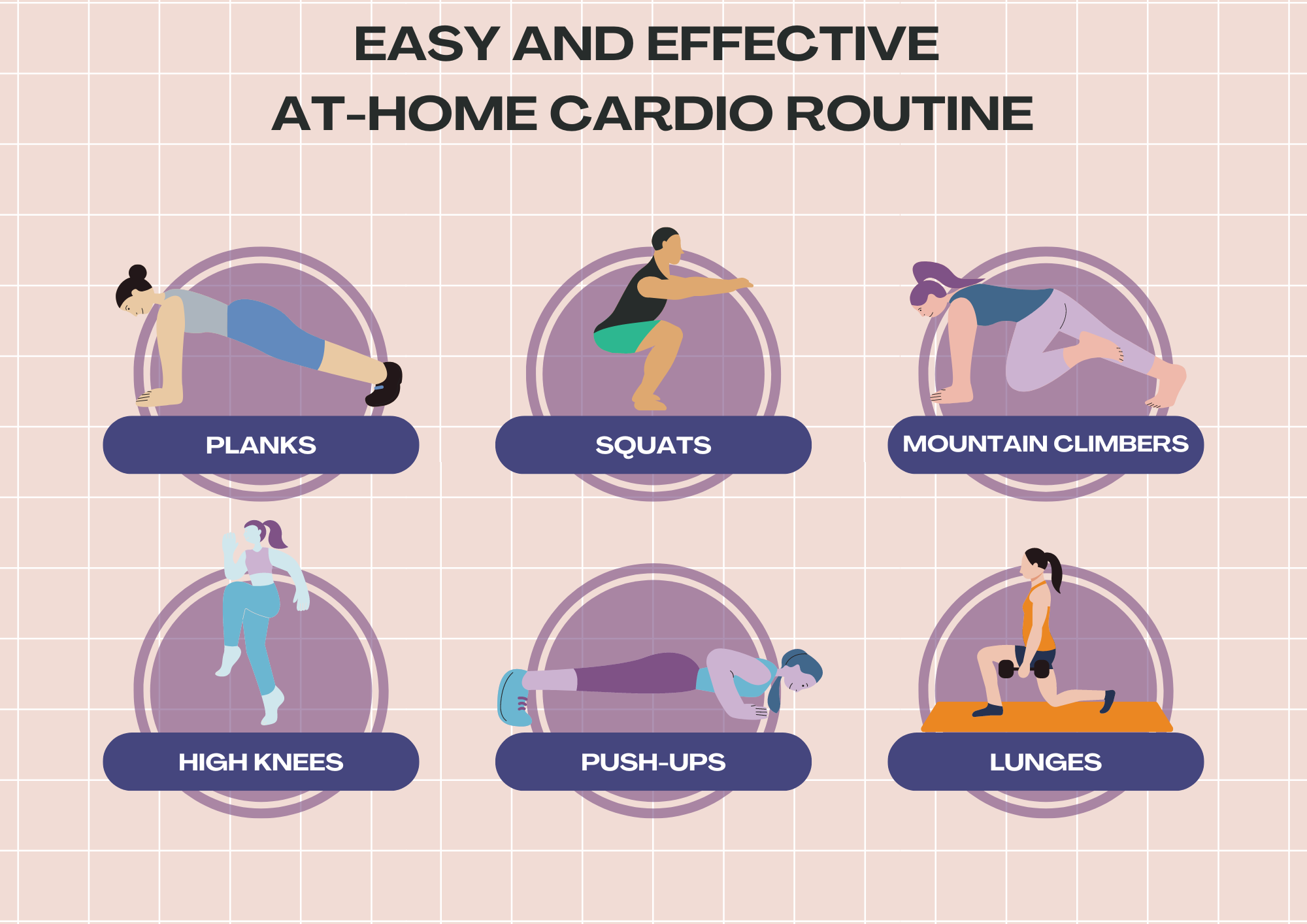
Strength training isn’t just about lifting heavy weights; it’s about employing the right techniques to maximize results. Incorporating compound exercises like squats, deadlifts, and lunges can be immensely beneficial. These exercises engage multiple muscle groups, enhancing your endurance and coordination.
Consider adding resistance bands to your workout routine. They provide tension that helps in building strength without the need for heavy equipment. This approach is especially useful for those who prefer home workouts or are new to strength training.
Don’t overlook bodyweight exercises. Push-ups, planks, and burpees are excellent for building strength and can easily be integrated into your cardio sessions. These exercises not only boost muscular endurance but also enhance core stability, which is vital for overall performance.
Are you ready to elevate your cardio workouts by embracing strength training techniques? You’ll find that the blend of strength and endurance exercises creates a balanced fitness regimen, pushing you closer to your health goals.

Credit: www.hollandandbarrett.com
Cross-training Methods
Incorporating a mix of activities like cycling, swimming, and running can effectively boost cardiovascular endurance. These cross-training methods engage different muscle groups, enhancing overall heart and lung capacity. Regularly switching exercises keeps workouts interesting and prevents plateauing.
Cross-training combines different exercises to boost cardiovascular endurance. It mixes activities like running, swimming, and cycling. This variety challenges your body in new ways. Cross-training also keeps workouts fun and fresh. You avoid boredom and stay motivated.Variety In Workouts
Mixing workouts targets different muscle groups. It improves overall fitness. Running improves your legs and heart. Swimming works your upper body and lungs. Cycling boosts leg strength and stamina. Each activity offers unique benefits. This approach improves endurance effectively.Preventing Overuse Injuries
Cross-training reduces the risk of injuries. Repeating the same exercise stresses the same muscles. This can lead to injuries. Mixing activities gives muscles time to recover. It balances your body’s workout stress. You stay active without strain. This keeps you healthy and strong.Diet And Nutrition For Endurance
Building cardiovascular endurance isn’t just about exercise. Diet plays a crucial role too. Eating the right foods fuels your body for longer workouts. It helps maintain energy levels and supports recovery. Let’s delve into foods and hydration tips that boost endurance.
Energy-boosting Foods
Eating the right foods is essential for endurance. Include complex carbohydrates like whole grains and oats. These provide slow-releasing energy. Lean proteins such as chicken and fish aid muscle repair. Healthy fats from nuts and avocados support sustained energy. Also, incorporate colorful fruits and vegetables. They provide vitamins and antioxidants. This helps reduce fatigue and inflammation.
Hydration Tips
Staying hydrated is vital for endurance. Drink water regularly throughout the day. Aim for at least eight glasses daily. During exercise, replenish lost fluids. Use sports drinks for long workouts. They replace electrolytes lost through sweat. Avoid sugary drinks and sodas. They can dehydrate and reduce performance.
Tracking Progress
Tracking progress is essential for improving cardiovascular endurance. It helps you see how far you’ve come and where you need to go. Keeping tabs on your workout achievements can motivate you to push further.
Using Wearable Technology
Wearable devices are a great way to track fitness progress. Smartwatches and fitness bands monitor heart rate and steps. They provide real-time data during workouts. This helps you adjust your exercise intensity. You can also track calories burned and distance covered. Most devices sync with apps for detailed analysis.
Setting Realistic Goals
Setting goals gives direction to your fitness journey. Start with achievable targets that match your current fitness level. Gradually increase the difficulty as you improve. Goals can be time-based, distance-based, or frequency-based. Reaching small milestones boosts confidence and keeps you motivated.
Mindset And Motivation
Building cardiovascular endurance requires a strong mindset and motivation. Your mental strength pushes you beyond physical limits. Staying motivated keeps you focused on your goals. Cultivate a positive attitude to overcome challenges. Believe in your ability to improve.
Staying Consistent
Consistency is key in building endurance. Set a regular workout schedule. Stick to it, even on tough days. Small daily efforts lead to significant results. Track your progress to stay motivated. Celebrate small victories.
Overcoming Plateaus
Plateaus can hinder progress. Change your routine to break through them. Increase intensity or duration gradually. Try new activities to challenge your body. Listen to your body’s signals for adjustments. Stay patient during slow progress phases.

Credit: www.gq-magazine.co.uk
Frequently Asked Questions
How Can I Improve Cardiovascular Endurance Quickly?
To improve cardiovascular endurance quickly, engage in high-intensity interval training (HIIT). It combines short bursts of intense activity with rest periods. Consistency is key; aim for at least three sessions per week. Complement with activities like running, swimming, or cycling to build stamina over time.
What Exercises Are Best For Cardiovascular Endurance?
Running, swimming, and cycling are excellent exercises for cardiovascular endurance. These activities elevate your heart rate and improve lung capacity. Incorporate a mix of aerobic exercises to keep your routine dynamic. Consistent practice ensures gradual improvement in your endurance levels.
How Often Should I Train For Better Endurance?
For better endurance, train at least three to five times weekly. Consistency ensures gradual improvement in cardiovascular health. Mix different exercises to prevent boredom and target various muscle groups. Listen to your body and gradually increase intensity to avoid injuries.
Can Diet Affect Cardiovascular Endurance?
Yes, diet significantly impacts cardiovascular endurance. A balanced diet with lean proteins, whole grains, and healthy fats boosts energy. Stay hydrated and avoid processed foods for optimal performance. Nutrient-rich foods support muscle recovery and provide sustained energy for endurance activities.
Conclusion
Building cardiovascular endurance takes time and effort. Start with small goals. Gradually increase intensity and duration. Mix activities for variety. Try running, cycling, and swimming. Consistency matters more than speed. Listen to your body. Rest when needed. Stay motivated by tracking progress.
Celebrate small victories. Remember, persistence leads to improvement. Stay hydrated and eat well. Balance workouts with rest. Enjoy the journey to better health. Tailor your routine to fit your lifestyle. Find activities you love. Your heart will thank you. Keep moving forward, one step at a time.