
Feeling out of breath too soon during your workouts? Wondering how some people seem to run for miles without breaking a sweat?
If boosting your cardio endurance has been on your mind, you’re not alone. You probably know that building endurance isn’t just about spending endless hours on the treadmill. There’s a science behind it, and you can crack the code with the right strategies.
Imagine yourself running faster, cycling longer, and feeling stronger than ever before. You have the power to transform your stamina, and it starts with understanding the best ways to enhance your cardio endurance. Ready to unlock these secrets and elevate your fitness game? Keep reading to discover how you can do just that, and feel the exhilarating benefits in no time.
Importance Of Cardio Endurance
Engaging in regular aerobic exercises like jogging or cycling effectively boosts cardio endurance. Consistent practice strengthens the heart and lungs, improving overall stamina.
Cardio endurance is more than just a fitness buzzword; it’s a cornerstone of a healthy lifestyle. Imagine being able to climb stairs without gasping for air or keeping up with your kids at the park effortlessly. Improving your cardio endurance can make these everyday activities easier and more enjoyable. It also plays a vital role in maintaining heart health, boosting energy levels, and enhancing mental well-being.Understanding Cardio Endurance
Cardio endurance refers to your body’s ability to sustain prolonged physical activity. It’s like the stamina of your heart and lungs, enabling you to exercise longer without feeling exhausted. Think of it as building a reserve of energy that you can tap into during demanding activities.Benefits Of Enhanced Cardio Endurance
Improved cardio endurance brings a host of benefits. It can lower your risk of heart disease and increase your lung capacity. You’ll notice an improvement in your mood, thanks to the endorphins released during exercise. Plus, it helps in burning calories more efficiently, aiding in weight management.Effective Exercises For Boosting Cardio Endurance
To increase your cardio endurance, focus on activities like running, cycling, or swimming. These exercises challenge your cardiovascular system and gradually improve its efficiency. Start with short sessions and gradually increase the duration as your stamina builds.Consistency Is Key
The secret to boosting your cardio endurance lies in regular practice. Make it a part of your routine, just like brushing your teeth. Consistency helps your body adapt, making each workout a bit easier than the last.Tracking Your Progress
Monitoring your progress can be motivating. Use a fitness app or a simple journal to record your workouts. Tracking improvements in distance, speed, or duration can encourage you to push your limits further.Listening To Your Body
While it’s important to challenge yourself, it’s equally crucial to listen to your body. If you feel discomfort or pain, take a break. This ensures you avoid injuries and allows your body to recover, making your endurance journey sustainable. Engaging in regular cardio activities not only strengthens your heart but also enriches your life with vitality and resilience. So, why not lace up your sneakers and start boosting your cardio endurance today?Setting Realistic Goals
Setting realistic goals helps to gradually enhance cardio endurance. Focus on consistent workouts and balanced routines. Progress tracking motivates improvement and maintains enthusiasm.
Setting realistic goals is key to boosting cardio endurance effectively. Goals provide direction and motivation. They help track progress and celebrate achievements. Let’s break this down into two parts: short-term objectives and long-term vision.Short-term Objectives
Start with small, achievable targets. These help build confidence and momentum. Aim to increase workout duration gradually. For instance, add five minutes to your routine weekly. Track your heart rate to measure improvements. Keep a journal of your daily progress. Consistency is crucial for steady advancement. Celebrate small victories to stay motivated.Long-term Vision
Think about where you want to be in a year. A long-term goal might be running a marathon or cycling 50 miles. Break this down into smaller milestones. Each milestone should challenge you. This keeps the journey exciting and rewarding. Reassess your goals periodically. Adjust them based on your progress and new insights. Remember, the journey is as important as the destination.Incorporating Interval Training
Incorporating interval training can significantly boost your cardio endurance. This method alternates between short bursts of intense activity and rest periods. It’s a dynamic way to enhance heart health and stamina. Interval training is adaptable and suits various fitness levels, making it accessible for everyone.
High-intensity Interval Training
High-Intensity Interval Training (HIIT) challenges the body with vigorous effort. It involves short periods of intense exercise followed by rest. HIIT helps improve cardiovascular health in a time-efficient manner. These quick sessions can be as effective as longer workouts. It encourages maximum effort, pushing your limits.
HIIT sessions can include sprints, cycling, or bodyweight exercises. They are versatile and can be tailored to individual needs. The key is to maintain high intensity during active intervals. This keeps the heart rate elevated, improving endurance over time. Regular HIIT can lead to better heart function and increased lung capacity.
Benefits Of Variable Intensity
Variable intensity workouts offer more than just a cardio boost. They improve muscle strength and flexibility. Changing the pace during exercise engages different muscle groups. This creates a balanced workout, enhancing overall fitness. Variable intensity also prevents boredom, keeping workouts interesting.
Switching speeds during exercise aids in faster recovery. It trains the body to adapt to varying demands. This adaptability improves performance in daily activities. Interval training can be done anywhere, with minimal equipment. It provides a comprehensive workout in a short amount of time.

Credit: www.steadfastnutrition.in
Steady-state Cardio Benefits
Steady-state cardio offers many benefits for improving cardio endurance. It involves maintaining a consistent pace for a set period. This type of exercise is less intense than interval training. It allows you to build endurance gradually. Steady-state cardio is perfect for beginners and advanced athletes alike. It helps improve heart health and burns calories. Plus, it enhances overall fitness levels. Let’s explore some key benefits.
Consistency In Workouts
Consistency is crucial in building endurance. Steady-state cardio helps you establish a regular routine. You can set specific days and times for your workouts. This builds a habit and keeps you motivated. Consistent workouts lead to gradual improvements. You will notice better stamina and energy levels. Over time, your body becomes more efficient at using oxygen.
Improving Aerobic Capacity
Steady-state cardio improves your aerobic capacity. It trains your heart and lungs to work better together. Your heart pumps blood more efficiently. Oxygen delivery to your muscles increases. This leads to enhanced performance in physical activities. You can run, swim, or bike longer distances. Your recovery time also improves. Over time, you will feel less fatigued after exercise.
Strength Training For Endurance
Strength training plays a crucial role in boosting cardio endurance. It helps build the muscles needed to support longer cardio sessions. Stronger muscles improve the efficiency of oxygen use during workouts. This enhances overall performance and endurance levels.
Building Muscular Endurance
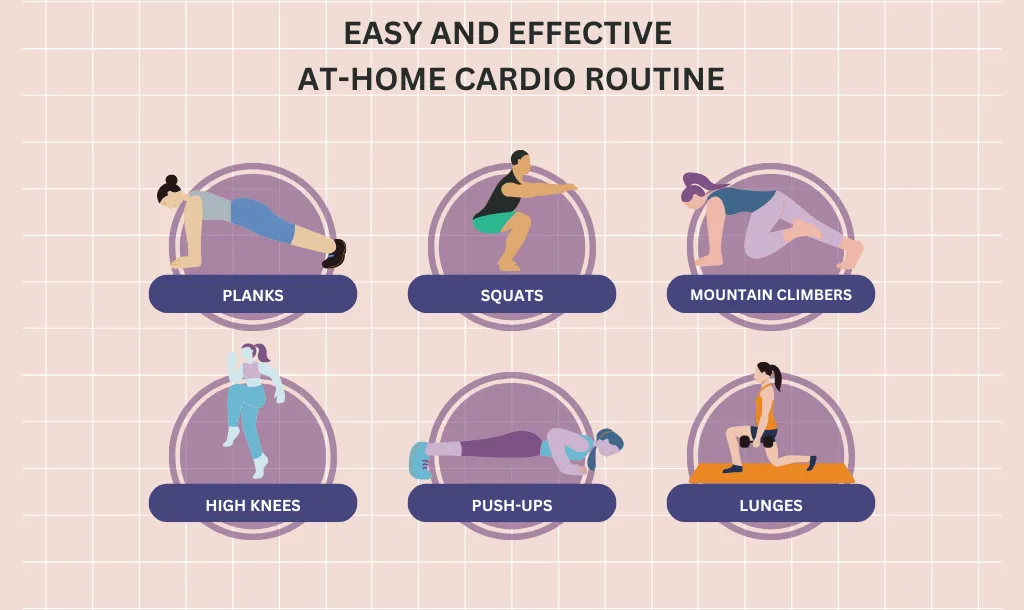
Muscular endurance is the ability of muscles to perform over time. To build this, focus on exercises with lighter weights and more repetitions. Try activities like squats, lunges, and push-ups. These exercises improve muscle stamina. Aim for sets of 15-20 reps each. Consistency is key. Practice these exercises regularly to see improvements.
Enhancing Cardio Performance
Strength training supports heart health and boosts cardio performance. Engaging more muscles increases heart rate. This mimics the effects of cardio exercises. Circuit training combines strength moves with little rest. This method keeps the heart rate up. It also improves endurance while building strength. Add exercises like burpees or mountain climbers. These engage both strength and cardio aspects. Results can be seen in improved endurance levels.
Cross-training Advantages
Cross-training enhances cardio endurance by engaging different muscle groups. It diversifies workouts, reducing injury risk and improving overall fitness.
Cross-training is a powerful strategy for boosting your cardio endurance. By mixing up your workout routines, you not only challenge your body in new ways but also keep your exercise sessions fresh and exciting. This variety helps you build strength, improve flexibility, and enhance overall fitness. Plus, it’s a fantastic way to break free from the monotony of repetitive workouts.Preventing Workout Plateaus
Do you ever feel like your progress has stalled? That’s a workout plateau, and it’s frustrating. Cross-training can be your secret weapon against this. When you switch between different types of exercise, your body is constantly adapting. This constant adaptation keeps your muscles guessing and engaged. For example, alternating between running, swimming, and cycling challenges different muscle groups, ensuring continuous improvement.Reducing Injury Risks
Injury is a common fear for many fitness enthusiasts. Cross-training reduces these risks significantly. By not overusing the same muscles, you give them time to recover. Think of it as giving different parts of your body a day off. If you’re a runner, adding yoga or strength training can help balance muscle use. This balance keeps you strong and less prone to injuries. Are you ready to shake up your routine and see better results? Embrace cross-training and watch your cardio endurance soar.Nutrition’s Role In Cardio
Nutrition plays a pivotal role in boosting your cardio endurance. Whether you’re an avid runner or someone just looking to improve their heart health, what you eat can significantly influence your performance. Balancing your diet and staying hydrated can make a world of difference in your cardio journey.
Balanced Diet Essentials
Fueling your body with the right nutrients is crucial. Consider incorporating whole grains like quinoa and brown rice into your meals. These complex carbs provide sustained energy for your cardio activities.
Don’t forget protein, which aids muscle recovery and growth. Lean sources such as chicken, tofu, and beans are excellent choices. Eating a colorful variety of fruits and vegetables ensures you get vital vitamins and minerals.
Ever wondered why some days you feel sluggish? It could be your diet. If you notice fatigue, assess your meal plan. Are you getting enough iron or vitamin B12? These nutrients are essential for maintaining high energy levels.
Hydration Importance
Water is your best friend when it comes to cardio endurance. Staying hydrated helps regulate body temperature and maintain blood volume, which is essential during exercise.
Consider drinking water consistently throughout the day rather than chugging it all at once. This helps prevent dehydration without overwhelming your system.
Feeling thirsty during a workout? That’s your body’s way of saying it needs more fluids. Listen to it and keep a bottle handy. Adding a slice of lemon or cucumber can make the habit more enjoyable.
Monitoring Progress
Monitoring your progress is crucial when aiming to increase your cardio endurance. Without a way to measure your improvements, it can be challenging to know if your current routine is effective. Keeping track of your journey not only boosts motivation but also helps you tailor your training plan to achieve optimal results.
Tracking Performance
Utilize technology to gain insights into your cardio workouts. Fitness apps and wearable devices can track metrics like heart rate, distance, and time. Consider setting specific milestones to assess your progress over weeks or months.
Charting your data allows you to visualize improvements, giving you a clearer picture of where adjustments might be needed. Have you noticed a plateau in your performance? This might be the signal to shake things up.
Adjusting Training Plans
Once you have consistent data, it’s time to adjust your training plans. Look at your metrics to identify areas that need more focus. Are you getting faster, but your heart rate remains high? You might need more endurance training.
Don’t be afraid to experiment with different workouts. If your long runs feel stagnant, add interval training for a boost. Remember, every tweak should be based on your tracked performance to ensure you’re moving forward.
Rest And Recovery
Rest and recovery play a crucial role in boosting cardio endurance. Adequate sleep and balanced nutrition help muscles recover. Incorporate regular rest days into your routine to prevent burnout and improve performance.
Rest and recovery are often overlooked aspects of increasing cardio endurance, yet they play a crucial role in your fitness journey. Giving your body the time to heal and rebuild not only prevents injury but also enhances your overall performance. Balancing your workout routine with adequate rest can lead to better results and sustained motivation.Importance Of Rest Days
Rest days are not just days off; they are essential for your progress. Your muscles need time to repair and strengthen after intense workouts. Skipping rest can lead to burnout or injury, which will set you back. Consider scheduling at least one or two rest days each week. This will give your body the downtime it needs to recover. Listen to your body, and don’t be afraid to take an extra day if you feel overly fatigued.Effective Recovery Techniques
There are several techniques you can use to enhance your recovery process. Stretching and foam rolling are great for easing muscle tension. Incorporating these into your routine can reduce soreness and improve flexibility. Nutrition also plays a big part in recovery. Consuming protein and carbohydrates after your workout can help replenish your energy stores and repair muscle fibers. Hydration is equally important; keep your water intake high to aid in the recovery process. Have you tried active recovery? Activities like walking, swimming, or yoga can keep you moving without putting too much strain on your body. These activities help maintain your fitness level while allowing your muscles to recover. Incorporating these strategies into your routine can make a noticeable difference. Your endurance will improve, and you’ll feel more energized during workouts. What recovery techniques have you found most effective in your journey?
Credit: www.cult.fit
Credit: myyogateacher.com
Frequently Asked Questions
What Exercises Boost Cardio Endurance Effectively?
Exercises like running, cycling, and swimming are excellent for boosting cardio endurance. High-intensity interval training (HIIT) can also be effective. Consistency and gradually increasing intensity are key. A mix of aerobic exercises will challenge your heart and lungs, improving endurance over time.
How Often Should I Do Cardio Workouts?
Aim for at least 150 minutes of moderate-intensity cardio each week. Alternatively, 75 minutes of vigorous-intensity can be effective. Spread sessions throughout the week for better results. Consistency is essential to gradually improve your cardio endurance and overall fitness levels.
Can Diet Impact Cardio Endurance?
Yes, diet significantly impacts cardio endurance. Consuming a balanced diet with carbohydrates, proteins, and fats is crucial. Carbohydrates provide energy, while proteins aid recovery. Staying hydrated and maintaining electrolyte balance is also important. Proper nutrition supports energy levels and endurance during workouts.
What Role Does Breathing Play In Cardio Endurance?
Proper breathing enhances cardio endurance by increasing oxygen intake. Focus on deep, rhythmic breathing during exercise. This helps deliver more oxygen to muscles, reducing fatigue. Practicing controlled breathing techniques can improve overall performance and endurance over time.
Conclusion
Improving cardio endurance takes time and consistent effort. Start with small changes. Increase your workout duration gradually. Mix different exercises to keep it interesting. Running, cycling, and swimming are great choices. Listen to your body and rest when needed. Stay motivated by setting achievable goals.
Track progress to see improvements. Hydration and balanced nutrition also play a crucial role. Celebrate small victories and keep pushing forward. With dedication, your endurance will grow stronger. Remember, every step forward is progress. Stay committed to your journey and enjoy the benefits of improved cardio health.