Are you feeling overwhelmed by conflicting advice about how long your cardio sessions should be for building aerobic endurance? You’re not alone.
Many people are confused by the varying opinions and recommendations out there. You want to optimize your workouts and make sure your efforts pay off. The good news is, you’re about to learn exactly how to tailor your cardio duration to meet your endurance goals.
Imagine the satisfaction of knowing your workout routine is perfectly aligned with your fitness objectives. Stay with us as we clear up the confusion and guide you towards achieving the endurance levels you’ve always wanted.

Credit: m.facebook.com
Benefits Of Cardio For Aerobic Endurance
How Long Should I Do Cardio for Aerobic Endurance Improving aerobic endurance through cardio requires regular sessions. Aim for 150 minutes of moderate or 75 minutes of vigorous exercise weekly. This routine helps boost stamina and heart health effectively.
Cardio exercises are essential for building aerobic endurance, a critical component of overall fitness. When you engage in regular cardio workouts, you are not only enhancing your stamina but also improving your heart and lung function. Let’s explore the key benefits of cardio for aerobic endurance.Improved Heart Health
Cardio workouts increase your heart rate, which strengthens the heart muscle over time. A stronger heart pumps blood more efficiently, reducing the risk of heart disease. Regular cardio can also help manage blood pressure and cholesterol levels.Increased Lung Capacity
Cardio exercises demand more oxygen, training your lungs to become more efficient. As you continue, you’ll notice improved breathing and less fatigue during physical activities. This increase in lung capacity can significantly enhance your daily energy levels.Enhanced Metabolic Rate
Engaging in cardio boosts your metabolism, helping you burn calories even after the workout is over. This increase in metabolic rate supports weight management and fat loss. Over time, it can also lead to a leaner body composition.Better Mental Health
Cardio is not just beneficial for the body, but also for the mind. It releases endorphins, often referred to as ‘feel-good’ hormones, which can elevate your mood. Regular cardio can help reduce symptoms of anxiety and depression, keeping your mind as fit as your body.Improved Sleep Quality
Struggling with sleep? Regular cardio can help. It tires the body out in a healthy way, promoting deeper, more restful sleep. Better sleep can lead to improved focus and productivity in your daily life. With these benefits in mind, how do you plan to incorporate more cardio into your routine? Remember, it’s not just about duration, but consistency and enjoyment in your workouts.Factors Influencing Cardio Duration
When determining how long you should do cardio for improving aerobic endurance, several factors come into play. These factors can significantly impact your workout duration and effectiveness. Understanding these can help you tailor your cardio routine to fit your personal needs and maximize your results.
Fitness Level
Your current fitness level is a key factor in deciding how long to engage in cardio exercises. If you’re a beginner, shorter sessions of 20-30 minutes may be sufficient to start building endurance. As you progress, you can gradually increase the duration. Advanced athletes often aim for longer sessions, ranging from 45 minutes to an hour, to challenge their endurance further. Assess your fitness level honestly and adjust your cardio duration accordingly.
Age And Health Conditions
Age can influence your workout capabilities. Older adults might need to focus on moderate-duration cardio to prevent fatigue and injury, while younger individuals may endure longer sessions. Health conditions also play a vital role. If you have heart issues or other medical concerns, consult your doctor before deciding on your cardio duration. Tailor your routine to suit your body’s requirements and ensure safe and effective workouts.
Exercise Goals
Your exercise goals will dictate how long you should spend on cardio. If your aim is weight loss, longer sessions might be beneficial to burn more calories. However, if you’re focusing on building endurance, shorter, more intense intervals could be more effective. Reflect on your goals—are you training for a marathon or just trying to stay fit? Your goals will guide your cardio duration and help you achieve what you desire.
Recommended Cardio Duration
Cardio is key to building aerobic endurance. Knowing the right duration is crucial. It varies based on fitness levels. Beginners, intermediates, and advanced athletes have different needs.
Beginners
Beginners should start with 20-30 minutes of cardio. This duration helps build stamina without overexertion. A gentle pace is recommended. Walking, cycling, or swimming are good choices. Gradually increase time as comfort grows.
Intermediate Exercisers
Intermediate exercisers benefit from 30-45 minutes of cardio. This range boosts endurance and improves cardiovascular health. Mix different activities for variety. Jogging, brisk walking, or cycling can be effective. Consistency is important for progress.
Advanced Athletes
Advanced athletes often aim for 45-60 minutes of cardio. This duration maintains high aerobic capacity. Intense sessions like running or HIIT are suitable. Balance intensity with recovery to prevent burnout. Listen to your body and adjust as needed.
Credit: www.lemon8-app.com
Types Of Cardio Exercises
Cardio exercises like running, cycling, and swimming boost aerobic endurance. Aim for 20-60 minutes per session. Consistency helps improve stamina and heart health over time.
Understanding the different types of cardio exercises can help you choose the best activity for enhancing your aerobic endurance. Each exercise has its own benefits and can be tailored to fit your personal fitness goals and preferences. Whether you enjoy the solitude of a solo run or the dynamic energy of a group class, there’s a cardio option out there for you.Running And Jogging
Running and jogging are classic cardio exercises that require minimal equipment. Just a pair of good running shoes and you’re set to go. They are great for building endurance, and you can easily adjust the intensity by varying your speed and distance. Have you ever felt the runner’s high? It’s that exhilarating sense of achievement after a good run. Many find it addictive and a great way to clear their minds. Try setting a weekly mileage goal and see how your endurance improves.Cycling
Cycling offers a low-impact alternative that’s easy on the joints. Whether on a stationary bike or cycling outdoors, it’s a versatile exercise that can be as intense or leisurely as you want. Picture this: a peaceful ride through a scenic park, feeling the wind on your face. It’s not just a workout; it’s an experience. Plus, cycling can be a social activity if you join a local club or find a riding buddy.Swimming
Swimming is a full-body workout that’s perfect for building cardiovascular endurance. The water provides resistance, enhancing muscle strength while being gentle on the body. Think about the last time you felt weightless and free in the water. Swimming laps can be meditative and invigorating at the same time. It’s suitable for all ages and fitness levels, making it a fantastic lifetime exercise.Group Classes
Group cardio classes can range from dance-based workouts to high-intensity interval training (HIIT). These classes are not only effective but also motivating, as you’re surrounded by others with similar goals. Have you ever noticed how contagious the energy is in a class setting? The camaraderie and encouragement can push you to work harder than you might on your own. Plus, the variety keeps things fresh and exciting, preventing workout boredom. Trying different types of cardio exercises can not only boost your aerobic endurance but also keep your fitness routine exciting and fun. What’s your favorite way to get your heart pumping?Balancing Cardio With Other Workouts
Balancing cardio with other workouts enhances aerobic endurance. Aim for 20-60 minutes of cardio, 3-5 times weekly. Combine with strength and flexibility exercises for optimal fitness.
Balancing cardio with other workouts is crucial for overall fitness. Cardio boosts your heart health and endurance. But, it shouldn’t be your only focus. Including other exercises ensures a well-rounded routine. It helps improve strength, flexibility, and recovery.Strength Training
Strength training builds muscle and burns calories. It complements cardio by increasing metabolism. Try lifting weights or using resistance bands. Aim for sessions two to three times a week. It enhances endurance and performance. Strong muscles support better cardio results.Flexibility Exercises
Flexibility exercises prevent injuries and improve movement. They enhance your range of motion. Yoga and stretching are effective choices. Spend 10-15 minutes daily on flexibility. It helps muscles recover faster. Flexible muscles perform better during cardio.Rest And Recovery
Rest is as important as exercise. Your body needs time to repair. Overworking can lead to fatigue and injuries. Schedule rest days in your routine. Sleep well to rejuvenate your body. Proper recovery boosts endurance and keeps you motivated.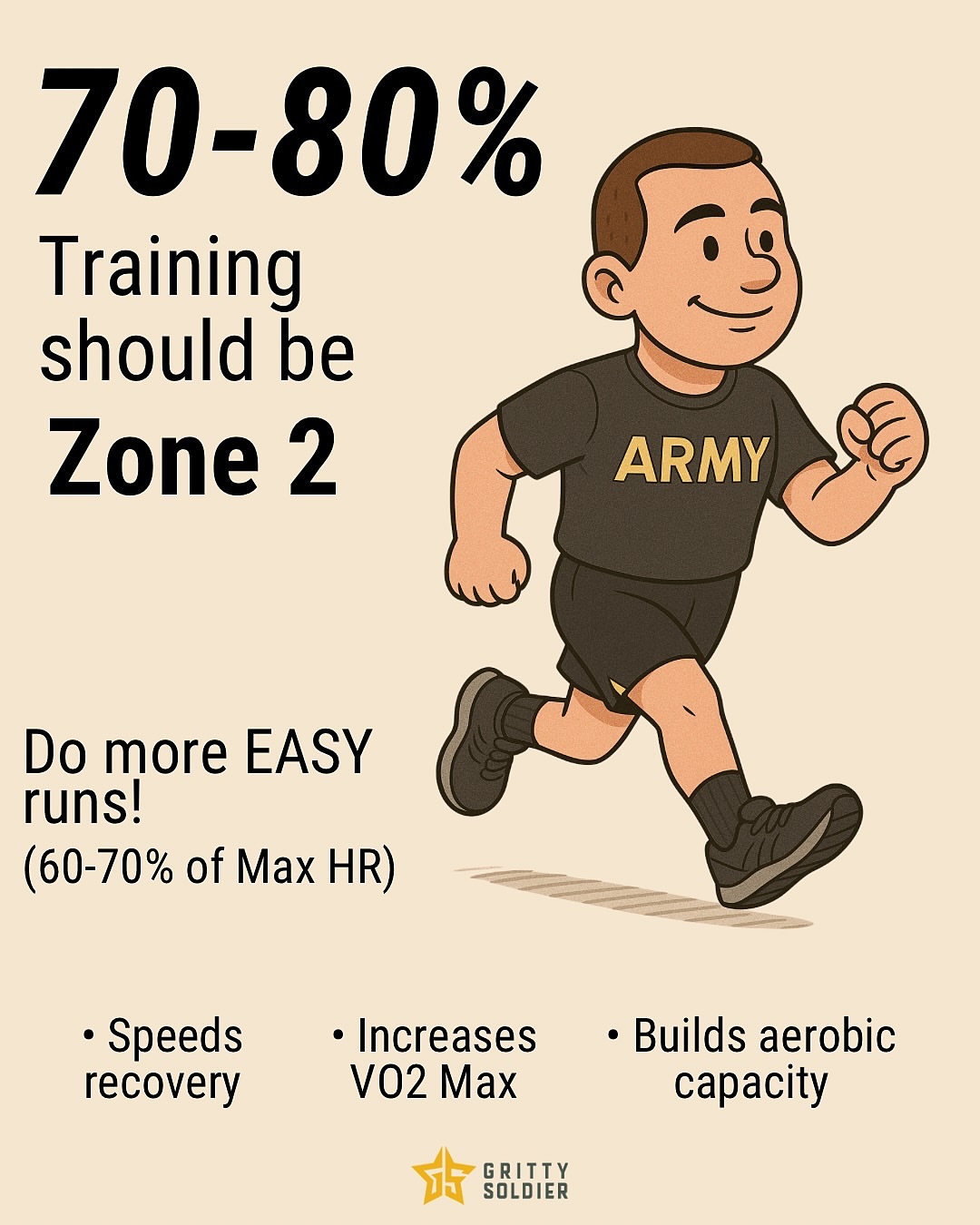
Credit: www.facebook.com
Tips For Effective Cardio Sessions
Effective cardio sessions can greatly enhance aerobic endurance. Knowing how to optimize your workouts is key. Here are some tips to make your cardio sessions more productive and enjoyable.
Setting Realistic Goals
Begin with clear, achievable goals. Focus on incremental improvements. Start with manageable timeframes. Gradually increase your workout duration. This helps you build endurance steadily. Avoid setting goals that are too ambitious. Unrealistic goals can lead to frustration and burnout. Stay patient and consistent. Success takes time.
Tracking Progress
Monitor your performance regularly. Use a fitness tracker or app. Record your workout duration and intensity. Note any changes in your endurance levels. This helps you see improvements over time. It also keeps you motivated. Celebrate small victories. They lead to bigger achievements.
Listening To Your Body
Pay attention to your body’s signals. Rest when you feel overly tired. Don’t push through pain. It’s a sign to slow down. Modify your workouts as needed. Adjust intensity and duration based on your energy. This prevents injuries and ensures steady progress. Balance is crucial for long-term endurance.
Common Mistakes To Avoid
Building aerobic endurance with cardio involves more than just hitting the treadmill. Many make common mistakes that can hinder progress. Avoiding these can enhance your workout and prevent injuries.
Overtraining
Too much cardio can exhaust your body. Overtraining leads to fatigue and injuries. Balance your workouts with rest days for recovery. Listen to your body. Rest when needed.
Ignoring Warm-ups And Cool-downs
Skipping warm-ups can lead to muscle strain. Spend 5-10 minutes warming up. A proper warm-up prepares your body for exercise. Cool-downs are equally important. They help your body return to normal. Stretching aids in muscle recovery.
Neglecting Hydration And Nutrition
Hydration is key during cardio workouts. Drink water before, during, and after exercise. Nutrition fuels your body. Eat a balanced diet with proteins, carbs, and fats. Proper nutrition supports endurance and recovery.
Frequently Asked Questions
How Long Is Optimal For Cardio Sessions?
For aerobic endurance, aim for 30 to 60 minutes per session. This duration helps improve cardiovascular health and stamina. If you’re new to exercise, start with shorter sessions and gradually increase. Consistency is key, so aim for 3 to 5 sessions weekly.
Is 20 Minutes Of Cardio Enough For Endurance?
20 minutes can be effective if you’re a beginner or short on time. While longer sessions are generally better for endurance, shorter, high-intensity workouts can also boost cardiovascular fitness. It’s important to listen to your body and gradually increase time as your endurance improves.
How Often Should I Do Cardio For Endurance?
To build aerobic endurance, aim for 3 to 5 cardio sessions weekly. Consistency helps enhance cardiovascular health and stamina over time. Balance cardio with rest days to prevent fatigue. Adjust frequency based on your fitness level and goals.
Can I Split My Cardio Into Shorter Sessions?
Yes, splitting cardio into two 15-minute sessions can be effective. This approach is great for busy schedules and still boosts endurance. Ensure you maintain intensity in each session. Consistency and gradually increasing duration are key for long-term benefits.
Conclusion
Achieving aerobic endurance takes time and consistency. Short sessions can be effective. Aim for at least 20-30 minutes of cardio daily. Listen to your body’s signals. Gradually increase duration as you build stamina. Mix different cardio activities to keep it fun.
Walking, jogging, cycling. Choose what suits your lifestyle best. Balance cardio with rest days. Your heart and lungs will grow stronger. You’ll feel more energetic. Commit to regular cardio. You’ll see improvement in endurance. Stay patient and consistent. Your journey to better health starts now.