Are you wondering how many hours you should spend in the gym for the best results? You’re not alone.
With so much conflicting advice out there, it’s easy to feel overwhelmed. But don’t worry; we’re here to clear up the confusion for you. Whether you’re aiming to build muscle, lose weight, or simply maintain a healthy lifestyle, knowing the right amount of time to dedicate to your workouts can make all the difference.
Imagine achieving your fitness goals without wasting time or energy. Curious to know how? Keep reading, and discover the secrets to optimizing your gym time effectively.

Credit: www.instagram.com
Benefits Of Regular Gym Workouts
Determining the right workout duration can enhance fitness results. A balanced routine of about 1-2 hours, including warm-up and cool-down, optimizes strength, endurance, and recovery. Tailor the time to your goals and listen to your body’s signals.
Regular gym workouts offer numerous benefits for both body and mind. They help improve overall health and well-being. Exercising consistently can lead to a better quality of life. Let’s explore the advantages of maintaining a gym routine.Improved Physical Health
Working out strengthens muscles and bones. It enhances cardiovascular health. Regular exercise reduces risks of chronic diseases. It can improve posture and balance.Mental Well-being
Exercise boosts mood and reduces stress. It increases energy levels. Regular activity can help manage anxiety and depression. Working out releases endorphins, which enhance feelings of happiness.Weight Management
Gym workouts help burn calories. They aid in weight loss and maintenance. Exercise boosts metabolism, helping to manage weight effectively.Enhanced Sleep Quality
Physical activity improves sleep patterns. It helps you fall asleep faster. Regular workouts lead to deeper and more restful sleep.Increased Strength And Endurance
Exercise builds muscle strength and endurance. It helps improve stamina for daily activities. Regular workouts enhance physical performance.Social Interaction
Gyms offer opportunities for socializing. Group classes provide a sense of community. Exercise partners can motivate and support you.Boosted Confidence
Achieving fitness goals enhances self-esteem. Feeling stronger and healthier boosts confidence. Gym workouts help improve body image. These benefits highlight the importance of regular gym workouts. They contribute significantly to a balanced and fulfilling lifestyle.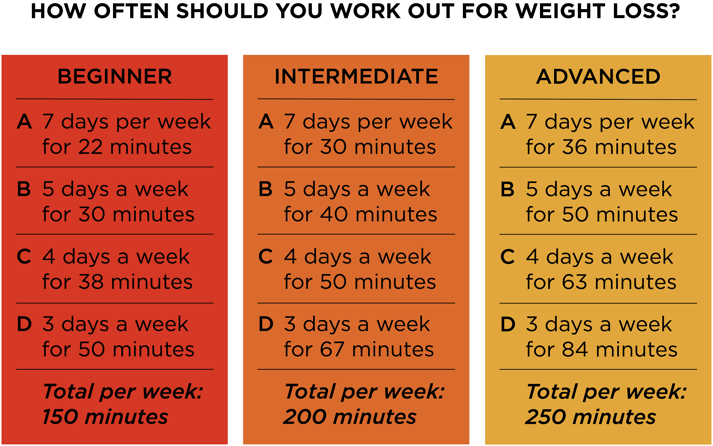
Credit: www.chicagoathleticclubs.com
Factors Influencing Workout Duration
Workout duration in the gym depends on goals, fitness level, and available time. Beginners might start with shorter sessions. Experienced individuals often train longer to enhance endurance or strength. Adjusting workout duration ensures it fits personal fitness objectives and lifestyle.
Understanding how many hours to spend in the gym can be a puzzle. It’s not just about clocking in a certain number of hours—it’s about what fits best with your lifestyle and fitness journey. Let’s explore some of the key factors that should guide your workout duration.Personal Fitness Goals
Your fitness goals are your compass. Whether you’re aiming for muscle gain, weight loss, or improving stamina, each goal requires a different approach in terms of time commitment. For muscle building, you might need longer sessions focusing on strength training. On the other hand, if weight loss is your goal, integrating cardio with shorter, intense workout sessions could be more effective. Think about what you want to achieve. Are you training for a marathon or looking to drop a dress size? Your answer will influence how long you should spend in the gym.Current Fitness Level
Where you are now in your fitness journey is a big factor. Beginners may benefit from shorter, more frequent workouts to build endurance and prevent burnout. As you become more experienced, you might find you can handle longer sessions without feeling overwhelmed. Consider your body’s current capacity. You wouldn’t run a marathon on your first day of training, right? Apply the same logic to your gym sessions.Available Time
Let’s be real—your schedule plays a major role in determining workout duration. You may only have 30 minutes to spare, and that’s okay. Short, focused workouts can be just as effective, especially when you use that time wisely. Evaluate your day-to-day schedule. Can you carve out small pockets of time rather than long hours? Remember, it’s not about how long you spend in the gym, but how you use that time.Recommended Workout Durations
Understanding how long to spend in the gym is vital. It helps in achieving fitness goals efficiently. Workout duration varies based on experience. Beginners, intermediate, and advanced levels have different needs. Let’s explore recommended workout durations for each level.
Beginners
Beginners should focus on shorter sessions. 30 to 45 minutes is ideal. This allows adaptation to new routines. Start with basic exercises. Incorporate rest periods to avoid fatigue. Consistency is key. Gradually increase duration as stamina improves.
Intermediate
Intermediate athletes can aim for longer workouts. 45 to 60 minutes works well. Include a mix of cardio and strength training. It helps in building endurance and muscle. Adjust intensity based on fitness levels. Listen to your body. Ensure enough recovery time between sessions.
Advanced
Advanced individuals may spend up to 90 minutes in the gym. Focus on high-intensity workouts. Include complex exercises for maximum impact. Proper technique is crucial. Vary routines to prevent plateau. Monitor progress regularly. Balance workouts with adequate rest.

Credit: www.tiktok.com
Balancing Cardio And Strength Training
Balancing cardio and strength training is key for optimal health. Aim for three to five hours weekly in the gym. Mix workouts to enhance endurance and build muscle effectively.
Finding the right balance between cardio and strength training can feel like a juggling act. Each offers unique benefits, and together, they create a well-rounded fitness routine. The key is to understand how much time to allocate to each without overextending yourself or underperforming in either area.Importance Of Cardio
Cardio workouts are essential for a healthy heart and efficient circulation. They help burn calories, making it a vital component for those aiming to lose weight or maintain a healthy weight. Integrating cardio into your routine can also boost your endurance, enabling you to tackle longer and more intense workouts. But how much cardio is enough? Experts often suggest aiming for 150 minutes of moderate cardio weekly. This could mean 30 minutes a day, five days a week.Benefits Of Strength Training
Strength training is crucial for building and maintaining muscle mass. It enhances your metabolism, helping you burn more calories even when at rest. Unlike cardio, strength training involves shorter, more intense bursts of activity. A typical session might last 45 minutes to an hour, targeting different muscle groups. You might wonder, is strength training only for bodybuilders? Absolutely not. It’s for anyone looking to improve their physical health and resilience. Balancing the two might seem challenging, but it’s achievable. You could alternate days between cardio and strength, or do shorter sessions of each on the same day. What works best for you? Consider your fitness goals, and make sure to listen to your body.Tailoring Workouts To Your Lifestyle
Balancing workout hours with daily life is crucial. Aim for 3-5 hours a week in the gym. Adjust based on personal goals and schedule.
Tailoring workouts to your lifestyle is essential for maintaining consistency and motivation. Everyone’s daily routine is unique, so gym time should fit seamlessly into your life. This flexibility ensures you stick to your goals without feeling overwhelmed. Understanding your personal schedule helps you design a workout plan that works for you.Incorporating Fitness Into Daily Life
Integrating workouts into your day can be simple. Find small windows of time for quick exercises. Morning stretches or evening jogs are ideal. They fit into your existing routine without major changes. Use breaks at work or school for short bursts of activity. Even a quick walk can boost your energy.Adjusting For Work And Family Commitments
Busy schedules require creative planning. Map out your week to find free slots. Early mornings or late evenings might be ideal. Consider family activities that include exercise. A park trip can be a great workout. Make fitness a fun part of family time. Involving loved ones keeps everyone active and engaged.Listening To Your Body
Understand your body’s signals to find the ideal gym workout duration. Most people benefit from exercising 30 to 60 minutes daily. Listen to fatigue and energy levels to adjust time as needed.
Listening to your body is vital in any workout routine. Understanding your limits helps prevent injury. Pushing too hard can lead to setbacks. Balance is the key to success. Your body sends signals when something is wrong. Recognizing these signs can improve your fitness journey.Signs Of Overtraining
Overtraining can harm your progress. You might feel constant fatigue. Soreness that lingers for days is another warning. Lack of motivation is common too. Sleep disturbances may occur. Irritability can also be a sign. Watch for decreased performance. Listen to these cues and adjust your routine.Importance Of Rest Days
Rest days are crucial for recovery. Muscles need time to repair and grow. They prevent burnout and reduce injury risk. Rest days can improve mental health. They help maintain workout enthusiasm. Rest allows the body to recharge. Plan rest days as part of your schedule.Seeking Professional Guidance
Understanding the right gym hours can boost your fitness journey. Professional guidance helps tailor workout duration to personal goals and fitness levels. Seek expert advice to maximize efficiency and avoid overtraining.
Seeking professional guidance can transform your gym experience, ensuring you not only meet your fitness goals but also enjoy the journey. Many people wander aimlessly in the gym, unsure of what exercises to perform or how long to spend working out. With the right advice, you can maximize your time and effort, making every minute count.Personal Trainers
Enlisting the help of a personal trainer can be a game-changer. They provide customized workout plans tailored to your specific needs and goals. This means you get the most out of your workouts without wasting time on ineffective exercises. Personal trainers also offer the benefit of accountability. When you have someone to report to, it’s much harder to skip a session. They motivate you, pushing you beyond your comfort zone, which is often where real progress happens.Fitness Classes
Fitness classes offer a structured environment, perfect for those who thrive on group energy and motivation. Whether it’s spinning, yoga, or HIIT, classes provide a set timeframe, ensuring you work out effectively without watching the clock. These classes are also a fantastic way to learn new exercises and techniques. Instructors often demonstrate proper form, reducing the risk of injury and enhancing your results. Plus, the social aspect can make workouts more enjoyable, turning gym time into a fun and social event. Have you ever felt lost in a gym, unsure of what to do next? Seeking professional guidance might be the key to unlocking your potential, ensuring each workout is a step toward your goals.Frequently Asked Questions
How Many Gym Hours Are Recommended Weekly?
Experts suggest 150 minutes of moderate exercise weekly. This equals about 2. 5 hours. Alternatively, aim for 75 minutes of vigorous activity. Balance cardio and strength training for optimal results. Adjust based on fitness goals, ensuring rest days for recovery.
Is Daily Gym Workout Beneficial?
Daily workouts can be beneficial, but vary intensity. Incorporate rest days to prevent overtraining. Aim for a mix of cardio and strength exercises. Balance is key to maintaining motivation and preventing injury. Always listen to your body.
What’s The Ideal Workout Duration Per Session?
An ideal gym session lasts 45 to 60 minutes. This time allows effective cardiovascular and strength training. Keep intensity high to maximize benefits. Ensure proper warm-up and cool-down periods. Adjust based on fitness level and goals.
Can Shorter Workouts Still Be Effective?
Yes, short workouts can be effective if intense. Focus on high-intensity interval training (HIIT) for maximum impact. Even 20-minute sessions can boost fitness. Consistency and proper technique are crucial. Tailor workouts to personal goals and constraints.
Conclusion
Finding the right gym schedule takes time and patience. Start by listening to your body. It knows best. Aim for consistency, not just intensity. Balance workouts with rest days. Rest helps muscles grow stronger. Everyone’s fitness journey is unique. Tailor your routine to fit your lifestyle.
Don’t compare your progress with others. Focus on your goals and health. Track your workouts to see improvements. Enjoy the process and celebrate small victories. Keep pushing forward. Over time, you’ll find the perfect routine. Remember, exercise is a lifelong journey.
Stay committed and reap the benefits.