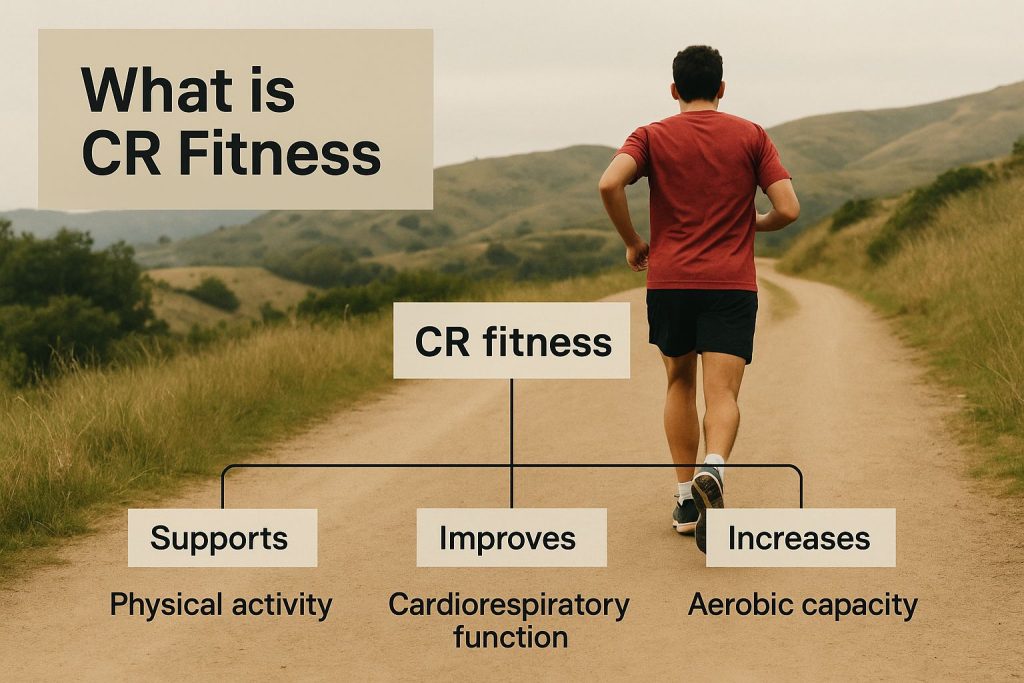
Are you looking to boost your energy levels and improve your overall health? Increasing your cardio-respiratory endurance might just be the key.
Imagine feeling more vibrant, energetic, and capable of tackling physical challenges with ease. This isn’t just about running marathons or hitting the gym every day. It’s about enhancing your heart and lung capacity to support your daily activities more efficiently.
With the right techniques, you can transform your fitness level, making even the simplest tasks feel like a breeze. Are you ready to discover how to elevate your endurance, feel more alive, and take control of your health journey? Let’s dive in and unlock the secrets to a stronger, healthier you.

Credit: www.instagram.com
Importance Of Cardio-respiratory Endurance
Cardio-respiratory endurance is crucial for overall health. It is the ability of your heart, lungs, and muscles to work together efficiently during physical activity. Strong endurance allows you to perform activities for longer periods without getting tired. This leads to improved fitness and reduced risk of chronic diseases. Regular exercise helps build this endurance, enhancing your daily life and well-being.
Why Cardio-respiratory Endurance Matters
Good cardio-respiratory endurance boosts energy levels. It ensures efficient oxygen supply to muscles, improving performance. High endurance also supports heart health. It reduces the risk of heart-related issues. Strong endurance helps manage weight. It aids in burning calories effectively. Improved endurance enhances mental health. It reduces stress and increases overall happiness.
Benefits For Daily Activities
Better endurance improves stamina for daily tasks. Walking, climbing stairs, and carrying groceries become easier. It supports active lifestyles, allowing you to enjoy sports and outdoor activities without fatigue. Enhanced endurance improves sleep quality. It helps you feel more rested and refreshed. It also supports better concentration and productivity at work or school.
Impact On Long-term Health
Regular cardio exercise strengthens your heart and lungs. It lowers blood pressure and cholesterol levels. Strong endurance reduces the risk of diabetes and obesity. It helps maintain a healthy weight and body composition. Good endurance promotes longevity. It increases your chances of living a longer, healthier life. Building endurance is a key step in preventing chronic illnesses.
Benefits For Health And Fitness
Boost cardio-respiratory endurance by incorporating regular aerobic exercises like jogging and cycling. These activities improve heart and lung efficiency. Consistency in your routine helps build stamina and increases oxygen intake.
Improving your cardio-respiratory endurance offers numerous health and fitness benefits. It enhances your heart and lung capacity, making daily tasks easier. Boosting endurance also improves oxygen flow to your muscles. This can increase energy levels and reduce fatigue. Regular aerobic exercise can help maintain a healthy weight. It also lowers the risk of chronic diseases like heart disease and diabetes.Enhances Heart Health
A strong heart pumps blood more efficiently. This reduces stress on the heart. It also lowers blood pressure. Regular cardio activities like walking or cycling strengthen your heart.Improves Lung Capacity
Enhanced lung capacity allows you to take in more oxygen. This helps your body use oxygen more effectively. Breathing becomes easier, especially during physical activities.Boosts Metabolism
Increased endurance can speed up your metabolism. A faster metabolism burns more calories, even at rest. This can help with weight management.Increases Energy Levels
Better cardio-respiratory endurance means more energy for daily tasks. You feel less tired and can stay active longer.Strengthens Immune System
Regular aerobic exercise can boost your immune system. This helps your body fight off illnesses more effectively.Reduces Stress And Anxiety
Physical activity releases endorphins, the body’s natural mood elevators. This can reduce stress and improve overall mental well-being.Effective Exercise Techniques
Improving your cardio-respiratory endurance can enhance your overall health. Engaging in effective exercise techniques can be the key to this improvement. These exercises help your heart and lungs work better. They also increase your stamina. Let’s explore some effective ways to boost endurance.
Aerobic Exercises
Aerobic exercises involve rhythmic activities. These exercises use large muscle groups. Walking, jogging, and swimming are great examples. They keep your heart rate up for an extended period. This helps your heart and lungs supply oxygen more efficiently.
Interval Training
Interval training combines short, intense bursts of activity. It alternates with periods of rest or low-intensity exercise. This technique boosts your heart and lung capacity. You can try sprinting for 30 seconds. Then, walk or jog for a minute. Repeat this cycle for 15 to 20 minutes.
Circuit Training
Circuit training mixes aerobic and strength exercises. It involves moving from one exercise to another with minimal rest. This keeps your heart rate elevated. You can include exercises like push-ups, jumping jacks, and squats. Perform each for 30 seconds. Rest for 10 seconds between exercises.

Credit: essentrics.com
Optimizing Workout Intensity
Optimizing workout intensity is crucial for boosting your cardio-respiratory endurance. It’s not just about how long you work out, but how efficiently you do it. Balancing the intensity of your workouts can lead to better performance and increased stamina.
Heart Rate Monitoring
Tracking your heart rate is a simple yet effective way to measure workout intensity. By keeping your heart rate within a target zone, you ensure you’re working out at an optimal level. Use a heart rate monitor or fitness tracker to measure this consistently.
Find your target heart rate zone by subtracting your age from 220 and then calculating 50-85% of that number. This range allows you to push your limits without overexerting. Check your heart rate during workouts to see if you’re in the zone.
Adjusting your pace or resistance based on heart rate feedback can make your workouts more productive. If you find your heart rate is too low, increase your intensity. If it’s too high, slow down to avoid burnout or injury.
Perceived Exertion Scale
The Perceived Exertion Scale is another tool to gauge workout intensity. It’s all about listening to your body and rating your effort on a scale from 1 to 10. A lower number means less effort, while a higher number indicates maximum effort.
This scale helps you understand how hard you’re working without needing any gadgets. Aim for a moderate to high level of perceived exertion for endurance gains. Training at a 5 to 7 on the scale can boost your endurance significantly.
Use this scale as a self-assessment during workouts. Ask yourself how hard you’re working and adjust accordingly. It encourages mindfulness and a stronger connection to your body’s signals.
Do you often feel tired after workouts but see little progress? Evaluating your workout intensity could be the key to breaking through those plateaus. Take control of your training by monitoring these metrics and see how your endurance improves.
Incorporating Variety In Routine
Adding variety to your workout routine can significantly boost your cardio-respiratory endurance. It’s easy to fall into the monotony of doing the same exercises every day, but this can lead to a plateau in your fitness progress. By mixing things up, you can keep your workouts exciting and challenging, ultimately improving your endurance.
Cross-training Benefits
Cross-training involves engaging in different types of exercises to work various muscle groups. This not only helps in preventing injury but also enhances your overall fitness. For example, if you usually run, try swimming or cycling on alternate days.
You’ll notice that different activities push your body in unique ways, leading to improved stamina and endurance. Cross-training can also keep you mentally engaged, which is crucial for maintaining a consistent workout schedule.
Outdoor Activities
Embrace the outdoors for a refreshing change in your routine. Activities like hiking, kayaking, or even a brisk walk in the park can significantly boost your cardio health. These activities often involve varied terrain and natural obstacles that challenge your body differently.
You might find that the fresh air and natural surroundings provide an extra motivation boost. Outdoor activities also offer the opportunity to socialize, making workouts feel less like a chore and more like an adventure.
Have you ever tried exploring a new trail or joining a local sports group? Such experiences not only enhance endurance but also contribute to your mental well-being.
Nutrition And Hydration Strategies
Boosting cardio-respiratory endurance requires more than just exercise. Nutrition and hydration play vital roles in enhancing performance and recovery. A balanced diet fuels your body, while proper hydration keeps you energized. Together, they create a solid foundation for enduring physical activities.
Balanced Diet Tips
Eating a variety of foods ensures you get essential nutrients. Focus on whole grains, lean proteins, and plenty of fruits and vegetables. These foods provide vitamins and minerals that support heart and lung health. Healthy fats, like those in nuts and seeds, give you long-lasting energy. Avoid processed foods high in sugar and unhealthy fats. They can hinder your endurance progress.
Consuming carbohydrates before exercising gives you quick energy. Choose complex carbs like brown rice or oatmeal. Protein after workouts helps repair muscles. Opt for lean sources like chicken or tofu. Consistent meal timing also supports metabolism and energy levels.
Importance Of Hydration
Staying hydrated maintains your body’s optimal function. Water regulates body temperature and transports nutrients. Dehydration can lead to fatigue and decreased performance. Drink water regularly throughout the day. Sports drinks can replenish electrolytes lost in sweat.
Monitor your hydration levels by checking urine color. Light yellow indicates good hydration. Always hydrate before, during, and after exercise. Remember, thirst is a late indicator of dehydration. Keep a water bottle handy to encourage frequent sips. This simple habit can make a big difference in your endurance journey.
Rest And Recovery Importance
Rest and recovery are crucial elements in enhancing your cardio-respiratory endurance. Despite the temptation to constantly push yourself, taking time to rest is essential for optimal performance. It’s during these periods that your body repairs itself, adapts to new challenges, and grows stronger.
Sleep’s Role In Recovery
Quality sleep is a cornerstone of effective recovery. While you sleep, your body undergoes numerous processes that repair tissues and build muscle. Consider aiming for 7-9 hours of sleep per night to ensure your body has the time it needs to recover.
Have you ever noticed how much better you perform after a restful night? Sleep deprivation can hinder your endurance efforts. Prioritizing sleep can lead to noticeable improvements in your cardio routine.
Active Recovery Methods
Active recovery involves engaging in low-intensity exercises on rest days. Activities like walking, cycling, or yoga can enhance blood flow and help flush out lactic acid. This approach can be more beneficial than complete rest and can prevent stiffness and soreness.
Ever tried a light yoga session after an intense cardio workout? It can be surprisingly refreshing, helping to stretch out tight muscles while keeping your body moving. By incorporating active recovery, you keep your body agile and ready for the next challenge.
What active recovery methods have you found most effective? Experiment with different activities to discover what works best for you. Balance intense workouts with thoughtful recovery to enhance your endurance effectively.
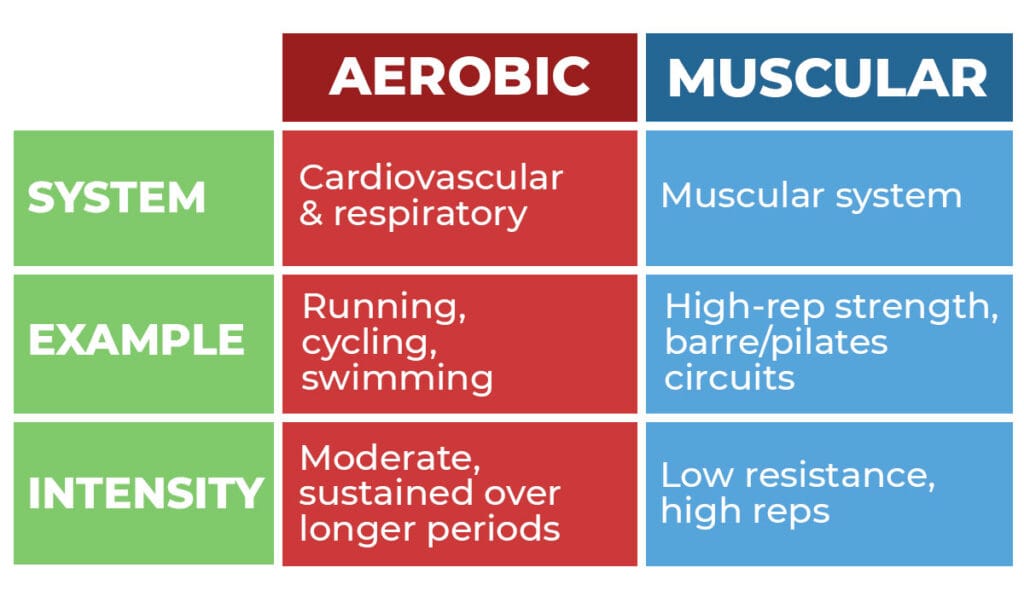
Credit: www.nourishmovelove.com
Tracking Progress Effectively
Increasing cardio-respiratory endurance involves tracking progress effectively. Use a journal to record workouts and monitor improvements. Set realistic goals and review them regularly.
Tracking progress effectively is crucial for improving your cardio-respiratory endurance. Consistent tracking helps identify what works and what doesn’t. It allows you to make informed adjustments to your routine. Here are two simple methods to track your progress.Using Fitness Apps
Fitness apps simplify progress tracking. They offer features to monitor your workouts. You can log each session and see improvements over time. Apps often include heart rate monitors and GPS tracking. This data helps you understand your endurance levels. Many apps also provide reminders to keep you on track. Choose an app that suits your needs and is easy to use.Maintaining A Workout Journal
A workout journal is a personal record of your fitness journey. Write down each exercise, duration, and intensity. Note how you feel after each workout. This helps recognize patterns and achievements. Journals offer a tangible way to see your progress. They encourage reflection and motivation. Using both apps and journals gives a broader view of your fitness improvements.Frequently Asked Questions
What Exercises Boost Cardio-respiratory Endurance?
To boost cardio-respiratory endurance, focus on activities like running, cycling, and swimming. These exercises enhance heart and lung efficiency. Interval training, combining short bursts of intense activity with rest periods, can also be effective.
How Often Should I Train For Endurance?
Aim to train for endurance at least three times a week. Consistency is key to improving cardio-respiratory fitness. Gradually increase intensity and duration to challenge your body and promote growth.
Can Diet Affect Cardio-respiratory Endurance?
Yes, diet plays a crucial role in endurance. Consuming balanced meals rich in carbohydrates, proteins, and healthy fats fuels your body. Proper hydration and vitamins support energy levels and recovery.
Is Walking Enough To Improve Endurance?
Walking is a good start for beginners. To significantly improve endurance, incorporate brisk walking, and gradually include other aerobic exercises. Challenge your body with varied intensity and duration.
Conclusion
Improving cardio-respiratory endurance takes time and effort. Focus on regular exercise routines. Mix activities for balanced growth. Try running, cycling, or swimming. Consistency is key for progress. Gradually increase workout intensity. Listen to your body and rest when needed. Nutrition plays a vital role too.
Eat balanced meals for energy. Hydration keeps you performing well. Stay committed to your goals. Celebrate small victories along the way. Healthy habits lead to better endurance. Keep pushing forward with determination. Fitness journey builds strength and resilience. Your body will thank you for it.